Why I love the influencer economy
Photo byMelanie KlepperonUnsplashHello,Welcome toKnown Unknowns, a newsletter where long lines for limited food is the ultimate triumph of capitalism. Hail the InfluencersThey say New Yorkers used to wait in. . .
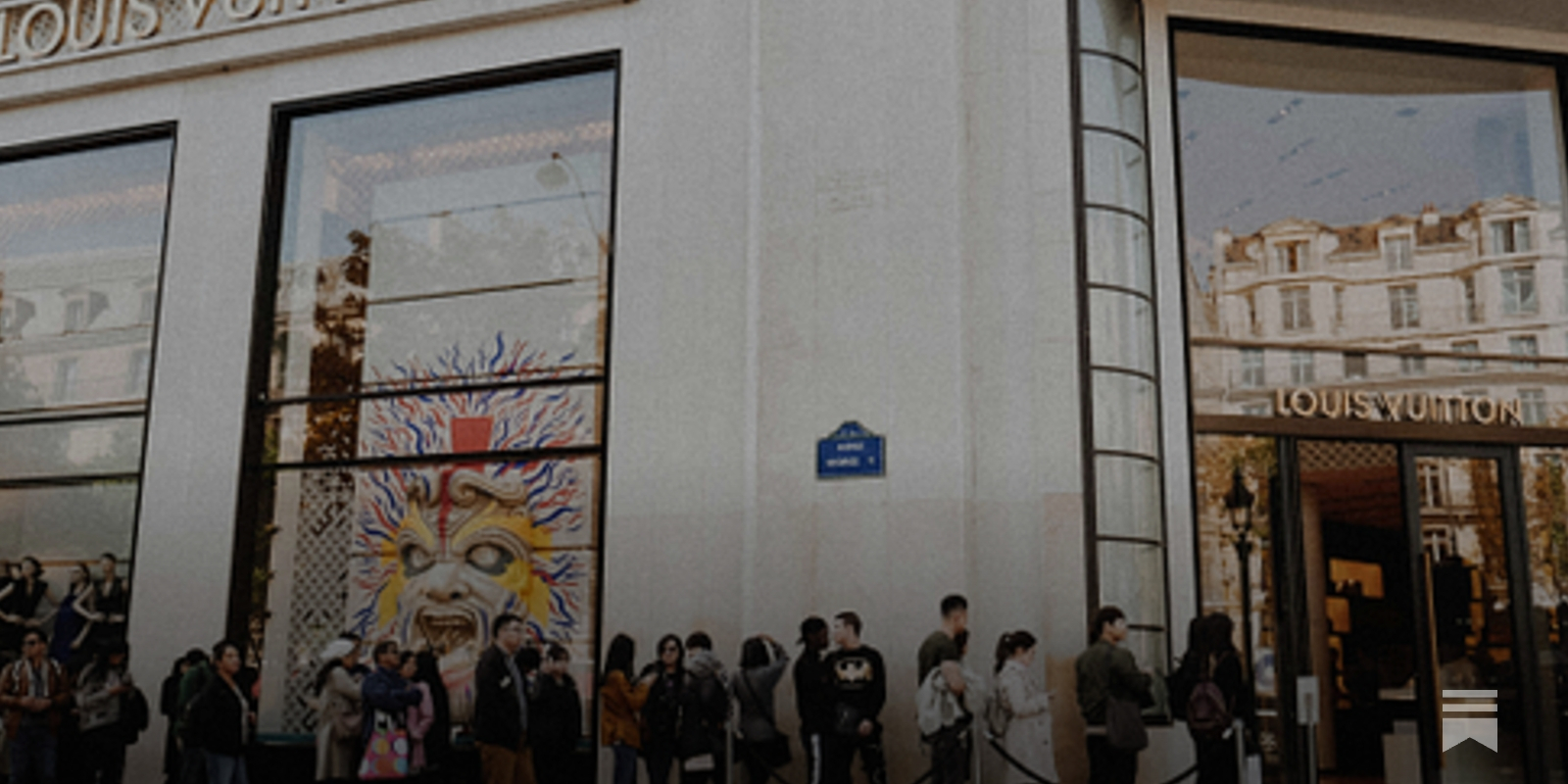
Photo byMelanie KlepperonUnsplashHello,Welcome toKnown Unknowns, a newsletter where long lines for limited food is the ultimate triumph of capitalism. Hail the InfluencersThey say New Yorkers used to wait in line for nightclubs, now they wait for dot cakes. Living in Greenwich Village (line central), I can confirm that waiting in a long line for frozen yogurt with candy on it isthehot activity. But I love it; for me it represents the best of capitalism. Even if I don’t wait in line for bagels, I relish this economic ecosystem and Schumpeterian upheaval I am witnessing. I recently reread thiswonderfulNew York Magazinestory that is almost 30 years old. It is about the power PR girls of the 1990s. Back in the day they created the lines—they were the OG influencers. A few things to note about the story: one is how great the writing is, it’s like reading Edith Wharton—a beautifully executed description of the intricate social rituals of New York high society. It makes me sad for whatNew York Magazinehas become—mostly Hamas fan fiction interspersed with strained attempts to normalize polyamory (and that’s just the fashion section!). But some things have changed for the better. Once being an influencer in New York required money and connections. Before, being a power PR girl required two attributes: youth and connections so powerful A-listers would fear you. Lots of people are young, but having power over A-listers at that age usually requires being born into wealth and privilege. Iwrite for Bloombergabout how much better the influencer culture of today is. It is more meritocratic, democratic, based on talent, charisma, and a willingness to overshare. You don’t need money or even have to live in New York to win this winner-take-all market. We tend to be obsessed with the jobs that technology destroys, but we rarely appreciate the jobs it creates—in fact, most people hate influencers. But they are in many ways an improvement on what came before. I love them; maybe I’ll wait in line for pizza this week just to show my support. The Bank of Mom and DadI am starting to think the final rite of passage into full adulthood in modern times is paying your own phone bill. Alas, few have undergone it. Iwrote for Bloombergabout a new study that shows more people than ever rely on their parents to pay expenses, even well into middle age. Everyone’s favorite explanation for this is the affordability crisis. And it is true an acceptable lifestyle has become more expensive. But what we consider acceptable has also changed. We have a much higher standard of living, even if you are in your 20s starting out. In many ways that’s great—it’s a sign of a growing, successful economy. But our standards are also outpacing what we can afford; that’s not so great. Maybe that’s the influencers’ fault, but I think it is just human. Even more worrying, I reckon it reflects a change in our culture. There is no shame in being 45 years old and having your parent pay your phone bill. Maybe there should be. There was a time that would be something people were at least embarrassed about. Now people are proud of it, or claim it’s a failure of capitalism. It also further divides our economy, since many people’s parents can’t afford to help them out. There was something unifying about the struggle—bad apartments, terrible roommates, and eating ramen. And it was motivating, to work harder and strive for more. Pension Geeks Were Right All AlongThe Social Security Administration just released their Trustees report, and it’s worse than expected. Or, I suppose, we should have expected it, since the we-can’t-pay-full-benefits date was moved up one quarter for mostly policy-related reasons—less immigration and a smaller tax base. We’ve delayed dealing with Social Security for decades because everyone hoped the best would happen: strong growth that also did not increase wages, or that life expectancy would fall. But financial problems rarely break your way. And one problem with our entitlement state is it gets more generous each year, while the funding problems get worse. Alittle tough love. Enough with the fantasy that growth will bail us out. Or the fantasy that high earners will pay for it. Every time I write about Social Security, I get many emails arguing it’s not complicated, just eliminate the cap on earnings. As if a 12. 4% marginal tax increase is no big deal. It doesn’t even fix the problem, but it does bring tax rates above 60% for many high earners. Maybe that’s OK, but there’s not much room to increase taxes for any other social program wish list, let alone paying our existing debt. There is only one way out of this. Everyone shares the pain—that means some combination of tax increases and benefit cuts. It can be done in a progressive way, but the fantasy that benefits will only get bigger needs to end. On a related note, I was recently asked by a skeptic what the highest tax rate on big earners I’d find acceptable would be. It is a revealing question, as if the tax rate is a means of economic justice. Truth is, I don’t know—it’s a meaningless question if you don’t think about broadening the tax base too. Yes, I know it was once 90%, but there were so many loopholes no one paid it. A Question for the AgesIn a world of private-equity-driven big IPOs, are we allactive investors now?Until next time, Pension Geeks!AllisonNo posts