White Women Were Active Owners In The Antebellum Slave Economy » Her Forward
Slavery in the American South was not solely a white man's enterprise. Historians are now documenting how deeply white women participated in the ownership, buying, and selling of enslaved people, overturning a long-held assumption that framed them as passive bystanders.
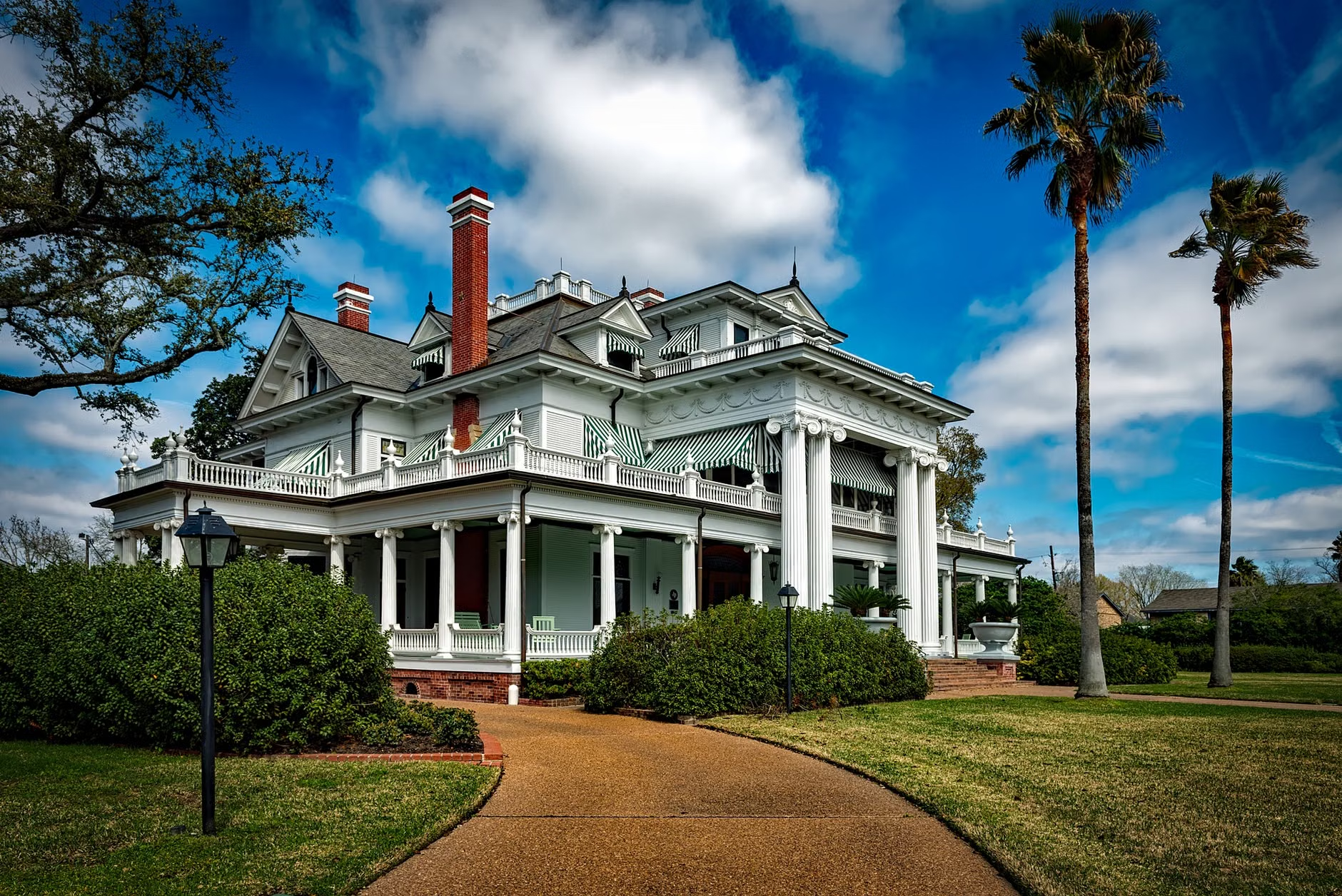
Slavery in the American South was not solely a white man’s enterprise. Historians are now documenting how deeply white women participated in the ownership, buying, and selling of enslaved people, overturning a long-held assumption that framed them as passive bystanders. The myth persisted for understandable archival reasons. Before the Civil War, the legal doctrine of coverture stripped married women of independent property rights. Anything a wife owned became her husband’s property upon marriage. Few written records show Southern white women openly discussing slavery as a business. When women did hold enslaved people, they typically used male agents or relatives to manage transactions, making their involvement nearly invisible in the historical record. Historian Stephanie Jones-Rogers challenged that invisibility by turning to a source most researchers had overlooked:testimony from formerly enslaved peoplethemselves. Those interviews document who owned them, how ownership shaped daily life, and how the “misses” exercised direct authority. The evidence reveals that white women appeared regularly across all aspects of enslavement, not only in household management. Plantation architecture tied to the antebellum economy where white women held legal ownership of enslaved peopleProperty Laws Built Around Enslaved PeopleSome Southern states went further than simply tolerating female ownership. They actively rewrote property law to enable it. Mississippi passed the first such measure in the United States in 1839. The Mississippi Married Women’s Property Law granted married white women the legal right to own enslaved individuals as their separate property. The law’s focus was unmistakable. Four of its five sections referred specifically to property in enslaved people. Slavery did not simply benefit from this legal change. It drove the change. Other Southern states followed with similar acts during the antebellum era. The laws served two purposes: shielding wives from liability for their husbands’ debts, and giving women an independent economic stake in the slave economy. The result was an early and deliberately narrow form of female economic empowerment, one that extended property rights to white women while being built entirely on the subjugation of Black people. Antebellum property statutes gave Southern white women direct legal ownership of enslaved peopleA Selective Expansion of Women’s RightsThe contrast with the North is sharp. Northern women remained trapped under coverture during the same period. Southern legislatures bypassed that doctrine specifically to expand women’s rights to own enslaved people. That legal architecture raises a difficult question about how economic empowerment and oppression can operate as the same mechanism. Writers and scholars have begun describing this dynamic as a form of “white feminism,” a term that captures how gender progress in the antebellum South was constructed on racial exclusion. Researchers examining this historyargue that understanding women’s economic roles requires accounting for who was excluded from those gains. The broader pattern connects to ongoing scholarship on howsystemic barriers to women’s economic powerhave always operated unevenly across race and class. Similarly, contemporary debates aboutwomen consolidating wealth and ownershipgain fuller context when placed against the historical conditions that first defined which women could own property at all. Examining who has historically heldaccess to capital and ownershipreveals patterns that did not begin with modern finance. Jones-Rogers’ research, grounded in testimony from the formerly enslaved, makes one fact clear. White women in the antebellum South were not financial innocents sheltered from the slave economy. Many were active participants who held legal title, exercised direct authority, and benefited materially from a system designed, in part, to give them those rights. Frequently asked questionsWhat key development does the report titled "White Women Were Active Owners in the Antebellum Slave Economy" describe?Slavery in the American South was not solely a white man’s enterprise. Why is the change in the report titled "White Women Were Active Owners in the Antebellum Slave Economy" significant in its broader context?Historians are now documenting how deeply white women participated in the ownership, buying, and selling of enslaved people, overturning a long-held assumption that framed them as passive bystanders. What background does the report titled "White Women Were Active Owners in the Antebellum Slave Economy" provide about the change?Before the Civil War, the legal doctrine of coverture stripped married women of independent property rights. What broader implications does the report titled "White Women Were Active Owners in the Antebellum Slave Economy" identify?Few written records show Southern white women openly discussing slavery as a business.