War Economy Dynamics Structures Before, During and After Conflict!
War Economy Dynamics Structures Before, During and After Conflict: Illustrated image based on the economical impacts of the war between U. S. , Israel and Iran on the global market, including oil markets,. . .
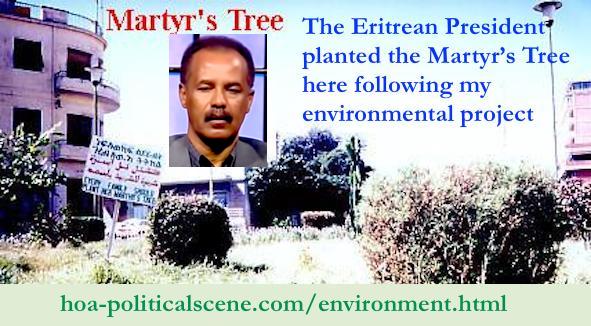
War Economy Dynamics Structures Before, During and After Conflict: Illustrated image based on the economical impacts of the war between U. S. , Israel and Iran on the global market, including oil markets, travel, and any consumers' supply markets, presenting figures of economical rise in prices. AbstractThe "War Economy Dynamics Structures Before, During & After Conflict!" analyzes the war economy as a continuous, multi‑sector system shaped by long‑duration historical patterns, global economic shocks, technological feedback loops, and post‑conflict institutional persistence. It begins by defining the war economy not as an episodic reaction to conflict but as a stable configuration of procurement cycles, supply chains, financial instruments, and risk‑pricing mechanisms. The analysis then traces the system’s historical lineage from the post-Cold War era to the U. S. -China trade war, identifying structural conditions that shaped contemporary geopolitical dynamics. It examines how current conflicts activate predictable economic behaviors across defense, energy, technology, and financial markets, and how sanctions, reconstruction, and regulatory frameworks sustain these dynamics after hostilities decline. The page concludes by assessing the socioeconomic effects of prolonged war‑economy pressures on households, labor markets, infrastructure, and civic capacity. Together, these sections present a comprehensive systems‑level framework for understanding how war economies operate across time, shaping both material conditions and informational environments through structural, rather than episodic, mechanisms. Table of ContentTitle of the PageAbstractOpening FrameHistorical LineageTrade War EraCurrent War EconomyPost‑Conflict PersistenceHuman CostAnalytical ConclusionWar Economy Dynamics: Structures Before, During and After Conflict: Illustrating SUPPLY ROUTES • Red Sea disruptions forced tankers to reroute around Africa. • Transit times increased by 10–14 days. • Shipping costs rose significantly due to longer distances. 1. 🔥 Opening Frame: The War Economy as a System, Not an Event!A war economy is best understood not as a temporary condition triggered by conflict, but as a persistent economic system shaped by long‑term incentives, institutional arrangements, and structural dependencies. In this framing, war is not the cause of the economy; rather, the economy produces conditions in which conflict becomes economically legible, predictable, and sometimes even stabilizing for certain sectors. This section establishes the analytical foundation for the rest of the page by defining the war economy as a continuous system of resource allocation, risk distribution, and technological development. 1. War Economies as Structural SystemsA war economy operates through stable, long‑duration mechanisms that remain active regardless of whether open conflict is occurring. These mechanisms include:Defense procurement cycles that follow multi‑year planning horizons and are insulated from short‑term political fluctuations. Supply chains for energy, minerals, and advanced technologies that require long-term contracts and infrastructure commitments. Financial instruments such as futures markets, insurance products, and risk‑pricing models that treat geopolitical tension as a calculable variable. These components create a system in which conflict is one expression of deeper economic logics rather than an isolated rupture. 2. War Economies as Multi‑Sector NetworksRather than being confined to the defense sector, war economies span multiple interconnected domains:Energy markets, where price volatility is influenced by geopolitical risk assessments. Technology sectors, especially cybersecurity, surveillance, and dual‑use AI systems. Logistics and transportation, including maritime chokepoints and airspace corridors. Financial compliance industries, which grow around sanctions, export controls, and risk auditing. This networked structure means that war-related economic activity persists even in periods of relative calm. 3. The Temporal Continuum: Before, During, and After ConflictScientific analysis of war economies emphasizes continuity rather than discrete phases:Before conflict, states and firms invest in deterrence, surveillance, and supply chain resilience. During conflict, procurement accelerates, risk premiums rise, and logistical networks reconfigure. After conflict, reconstruction, sanctions regimes, and long-term security agreements sustain elevated economic activity. This continuum demonstrates that war economies are not episodic; they are cyclical systems with feedback loops that extend beyond battlefield events. 4. Incentive Structures and Institutional PersistenceWar economies persist because they are supported by:Institutional inertia: bureaucracies, regulatory frameworks, and procurement agencies maintain continuity across administrations and political cycles. Market incentives: firms invest in technologies and capabilities that require ongoing demand to remain profitable. Risk management models: financial institutions integrate geopolitical instability into pricing mechanisms, making conflict a predictable variable rather than an anomaly. These incentives create a stable environment in which war-related economic activity becomes normalized. 5. The Role of Uncertainty and VolatilityA defining feature of war economies is their relationship to uncertainty:Markets price geopolitical risk into commodities, insurance, and investment decisions. Defense and technology sectors treat uncertainty as a driver of innovation and procurement. States use uncertainty to justify long-term spending commitments and strategic stockpiling. In this sense, uncertainty is not a disruption to the system, it is a functional component of it. 6. War Economies as Systems of Resource AllocationFrom a scientific perspective, war economies can be analyzed as resource allocation systems that prioritize:Security-related technologies. Energy resilience. Strategic infrastructure. Data acquisition and processing. Supply chain redundancy. These priorities shape national budgets, industrial policies, and international trade patterns. 7. Analytical ImplicationBy establishing the war economy as a systemic, continuous, and multi-sector phenomenon, this opening frame prepares you to understand:Why conflicts cannot be analyzed in isolation?How economic structures predate and outlast specific confrontations?Why the Iranian–Israel–American conflict fits into a broader geoeconomic pattern?How war economies shape political, social, and technological landscapes?This framing ensures that the subsequent sections can be developed with scientific precision, focusing on structural dynamics rather than political narratives. Transition from Section 1 → Section 2Having established the war economy as a continuous, multi‑sector system, the next step is to trace the historical conditions that enabled this system to take shape. Understanding the pre‑trade‑war environment provides the structural baseline against which later shocks and realignments can be measured. 2. 🧭 Historical Lineage: Before the Trade War!This section traces the structural foundations of the contemporary war economy by examining the period between the end of the Cold War and the onset of the U. S. -China trade war. The goal is to identify the long‑duration economic, technological, and infrastructural patterns that shaped the environment in which later conflicts, including the Iranian-Israel-American confrontation became economically legible. The analysis focuses on systemic features rather than political decisions, emphasizing continuity, institutional evolution, and market dynamics. 2. 1The Post-Cold War RealignmentU. S. unipolar dominance and the militarization of globalizationAfter the Cold War, the global economic system entered a phase characterized by:Unipolar security architecture, in which a single dominant power shaped maritime routes, financial flows, and technological standards. Globalized supply chains that relied on secure shipping lanes, stable energy markets, and predictable geopolitical risk. Defense‑driven technological diffusion, where innovations originating in military research, such as satellite navigation, cybersecurity protocols, and early internet infrastructure became embedded in commercial systems. This environment created a structural overlap between global economic integration and security frameworks, effectively "militarizing" aspects of globalization through risk management, surveillance, and strategic infrastructure protection. Iran's isolation as a structural feature, not a policy accidentFrom a systems perspective, Iran's economic position after 1991 can be described as:Persistent exclusion from major financial networks, including limited access to global banking standards and investment flows. Restricted integration into global supply chains, particularly in high‑technology sectors. Dependence on energy exports, which made the country sensitive to price volatility and external risk assessments. These features were not episodic; they formed a stable structural pattern that shaped Iran's long‑term economic behavior and its interactions with global markets. Israel's integration into U. S. military-tech ecosystemsDuring the same period, Israel became increasingly embedded in:Joint research and development frameworks, especially in aerospace, cybersecurity, and sensor technologies. Defense procurement networks, where interoperability requirements linked Israeli industries to U. S. standards and supply chains. Dual‑use technology markets, enabling civilian tech sectors to benefit from military innovation cycles. This integration positioned Israel as a node in a broader security‑technology ecosystem that extended beyond regional dynamics. 2. 2The Rise of the Security–Tech ComplexCybersecurity as a profit engineThe late 1990s and early 2000s saw the emergence of cybersecurity as a distinct economic sector characterized by:Continuous demand, driven by the expansion of digital infrastructure and the rise of networked systems. High R&D intensity, with rapid innovation cycles and strong links to defense research. Global market penetration, as both public and private institutions adopted standardized security solutions. This sector became a foundational component of the modern war economy due to its dual‑use nature and its reliance on persistent threat modeling. Surveillance exports to Gulf states and their link to Iran containmentA parallel development occurred in the field of surveillance and monitoring technologies:Export of advanced systems, including biometric databases, communication monitoring tools, and predictive analytics to Gulf economies. Integration of these systems into regional security architectures, which emphasized border control, maritime monitoring, and infrastructure protection. Indirect economic linkage to Iran, as many of these technologies were deployed in contexts shaped by regional threat assessments. These exports contributed to the formation of a regional security‑tech market with long‑term commercial and infrastructural implications. Early seeds of the "permanent emergency economy"By the early 2000s, several structural features had emerged:Continuous risk modeling, treating geopolitical instability as a baseline rather than an exception. Institutionalized emergency frameworks, such as counterterrorism budgets, surveillance infrastructures, and rapid‑response procurement systems. Market incentives for sustained vigilance, where firms and agencies operated on the assumption of ongoing, low‑level instability. These dynamics laid the groundwork for what can be analytically described as a "permanent emergency economy. "2. 3Energy Corridors and ChokepointsStrait of Hormuz as a global economic pressure valveThe Strait of Hormuz became a central variable in global energy economics due to:High throughput, with a significant share of global oil and liquefied natural gas passing through the corridor. Geographic concentration, which made the route sensitive to regional tensions. Infrastructure interdependence, linking Gulf production, Asian consumption, and global shipping networks. As a result, the strait functioned as a pressure valve in the global economy, where small changes in perceived risk could generate large market responses. How oil futures markets price "Iran risk" decades before any missile is fired?Oil futures markets incorporated Iran‑related risk through:Volatility premiums, which increased during periods of heightened tension or uncertainty. Scenario modeling, where analysts integrated potential disruptions into long‑term pricing structures. Hedging strategies, enabling firms to manage exposure to geopolitical fluctuations. This meant that "Iran risk" became a quantifiable economic variable long before any specific confrontation occurred, demonstrating how war economies operate through anticipatory mechanisms rather than reactive ones. Transition from Section 2 → Section 3The historical lineage reveals long‑duration patterns that predate contemporary tensions. With this foundation in place, the analysis can now examine how the U. S. -China trade war acted as a global shock that reconfigured supply chains, financial networks, and technological ecosystems, reshaping the environment in which regional conflicts unfold. 3. 💼 The Trade War Era: Rewiring Global Dependencies!This section examines how the U. S. -China trade war functioned as a major structural shock to the global economic system. Rather than focusing on political motives, the analysis traces how supply chains, financial networks, and technological ecosystems reorganized in response to new constraints. These shifts created the conditions in which later conflicts, including the Iranian-Israel-American confrontation became embedded within broader geoeconomic transformations. 3. 1U. S. -China Trade War as a Global ShockThe trade war introduced system-wide adjustments across multiple domains:Reconfiguration of Supply Chains. Firms diversified production locations to reduce exposure to tariff volatility. Manufacturing networks shifted toward Southeast Asia, Mexico, and other regions. Long‑term contracts were renegotiated to incorporate geopolitical risk clauses. Acceleration of Technological DecouplingRestrictions on semiconductor exports, telecom equipment, and advanced computing created parallel technology ecosystems. Dual-track standards emerged in areas such as 5G, AI hardware, and cybersecurity protocols. Investment screening mechanisms expanded, affecting cross‑border capital flows. Implications for IranFrom a structural standpoint, Iran's position was shaped by:Increased reliance on non-Western markets, particularly for energy exports and industrial inputs. Greater integration into alternative financial channels, including barter systems and non‑dollar settlements. Indirect exposure to supply chain shifts, as global energy demand patterns adjusted. These dynamics positioned Iran within a broader realignment rather than isolating it as a unique case. 3. 2Weaponized InterdependenceThe concept of "weaponized interdependence" describes how states with central positions in global networks can influence economic flows. In the trade war era, this manifested through:Financial Network CentralityThe dominance of the U. S. dollar in global trade settlement. The central role of U. S. -based financial institutions in clearing and compliance. The expansion of sanctions and export controls as regulatory instruments. Technology Network CentralityControl over semiconductor supply chains, cloud infrastructure, and operating systems. Standard-setting power in cybersecurity, encryption, and telecommunications. Interoperability requirements that shaped global procurement decisions. Israel's Position in These NetworksIsrael's technological ecosystem became increasingly aligned with:U. S. cybersecurity frameworks, especially in encryption, intrusion detection, and cloud security. Defense‑related R&D pipelines, linking domestic firms to global procurement cycles. Dual-use innovation clusters, where commercial and military technologies shared development pathways. This integration was structural rather than political, driven by market incentives and technological complementarities. 3. 3The Gulf PivotThe trade war also reshaped economic behavior in the Gulf region, producing effects that intersected with broader security and energy dynamics. Investment DiversificationGulf sovereign wealth funds expanded investments in global technology, logistics, and infrastructure. Long‑term partnerships formed around renewable energy, hydrogen, and advanced manufacturing. Capital flows increasingly targeted sectors resilient to geopolitical volatility. Energy Market AdjustmentsAsian demand patterns shifted due to supply chain reorganization. Long‑term contracts incorporated new risk‑pricing models linked to global tensions. Infrastructure projects: pipelines, ports, and storage facilities were recalibrated to enhance flexibility. Regional Security‑Economic LinkagesProcurement of advanced monitoring, cybersecurity, and defense systems increased. Maritime security frameworks expanded around key shipping routes. Data‑driven risk assessment tools became standard in energy and logistics planning. These developments created a regional economic environment shaped by global interdependence rather than isolated bilateral dynamics. Transition from Section 3 → Section 4The trade war's structural effects created new patterns of interdependence, technological segmentation, and risk distribution. These patterns became active during the Iranian-Israel-American conflict, enabling us to analyze the current war economy not as an isolated event but as a system responding to pre‑existing global shifts. 4. ⚙️ The Current War Economy: During the Iranian-Israel-American Conflict!This section analyzes the economic structures that become active during periods of heightened tension or open confrontation. The focus is on market behavior, institutional responses, technological cycles, and domestic economic adjustments. The aim is to describe how the war economy operates as a system of incentives, risk pricing, and resource allocation rather than as a reaction to specific political events. 4. 1The Marketization of FearPeriods of geopolitical tension generate measurable economic effects across multiple markets. These effects are not driven by sentiment alone but by risk‑pricing models, supply chain adjustments, and sector‑specific demand cycles. Defense and Security MarketsProcurement accelerates due to updated threat assessments and revised readiness requirements. Firms in aerospace, missile defense, and cybersecurity experience increased contract volume. Long‑term R&D programs receive renewed funding to address emerging technological needs. Energy and Commodity MarketsOil and gas prices incorporate volatility premiums linked to potential supply disruptions. Shipping insurance rates adjust based on perceived maritime risk. Commodity traders recalibrate exposure to regional chokepoints. Financial MarketsInvestors shift toward assets considered resilient during instability, such as certain commodities or defensive equities. Risk‑management firms expand analytical products related to geopolitical forecasting. Currency markets adjust to reflect capital flows driven by uncertainty. These dynamics illustrate how "fear" becomes an economic variable that can be modeled, priced, and traded. 4. 2Sanctions as IndustrySanctions and export controls function not only as regulatory tools but also as economic sectors with their own institutional ecosystems. Compliance and Legal ServicesFinancial institutions invest in compliance departments, monitoring systems, and auditing tools. Specialized firms provide advisory services on sanctions navigation and risk mitigation. Software platforms automate due‑diligence processes and transaction screening. Data and AnalyticsCompanies develop databases tracking entities, supply chains, and ownership structures. Predictive analytics tools model the likelihood of future restrictions. Market intelligence firms integrate sanctions risk into sector‑specific reports. Trade and Logistics AdjustmentsShipping companies reroute vessels to avoid restricted zones or entities. Exporters and importers redesign supply chains to maintain regulatory compliance. Insurance providers adjust premiums based on sanctions exposure. This ecosystem demonstrates how sanctions generate secondary markets that persist independently of specific conflicts. 4. 3The Tech-Military Feedback LoopModern conflicts activate a feedback loop between technological innovation and military procurement. This loop is characterized by dual‑use technologies, rapid iteration cycles, and cross‑sector integration. Drones and Autonomous SystemsDemand increases for unmanned aerial vehicles, loitering munitions, and counter‑drone systems. Civilian drone technologies inform military adaptations and vice versa. Sensor fusion and real‑time data processing become central capabilities. AI‑Enabled Targeting and SurveillanceMachine‑learning models are applied to imagery analysis, pattern detection, and threat identification. Cloud‑based platforms support distributed command‑and‑control systems. Cybersecurity requirements expand to protect interconnected systems. Missile Defense and Early Warning SystemsProcurement cycles accelerate for radar arrays, interceptors, and integrated defense networks. Simulation tools model interception probabilities and optimize deployment patterns. Data‑sharing frameworks link multiple agencies and platforms. Israel's and Iran's Technological Adaptations(Structural, Not Political)Israel's defense sector operates within global R&D networks tied to aerospace, cybersecurity, and sensor technologies. Iran's asymmetric capabilities rely on cost‑efficient systems such as drones, cyber tools, and decentralized logistics. These patterns reflect technological path dependencies rather than political choices. 4. 4Domestic Economies Under SiegePeriods of conflict generate internal economic pressures that vary by country but follow identifiable structural patterns. IranInflation increases due to currency volatility and supply constraints. Subsidy systems face strain as energy and food prices fluctuate. Labor markets adjust as resources shift toward security‑related sectors. Household purchasing power declines, reducing capacity for sustained civic mobilization. IsraelWartime budgets expand, reallocating resources toward defense and emergency services. Reserve mobilization affects labor supply, particularly in high‑skill sectors. Infrastructure and logistics networks experience temporary disruptions. Consumer behavior shifts toward precautionary spending patterns. United StatesDefense spending follows multi‑year appropriations cycles that adjust to new threat assessments. Industrial production increases in sectors linked to aerospace, munitions, and cybersecurity. Financial markets integrate geopolitical risk into investment strategies. Supply chains adjust to ensure redundancy in critical technologies. These domestic adjustments illustrate how war economies operate as resource‑reallocation systems that respond to external shocks through predictable economic mechanisms. Transition from Section 4 → Section 5The dynamics observed during active confrontation - market volatility, procurement acceleration, sanctions expansion, and technological feedback loops - do not dissipate when hostilities decline. Instead, they transition into a post‑conflict phase in which reconstruction, regulatory persistence, and geoeconomic realignment sustain the war economy's long-term trajectory. 5. 🧩 After the War: The Persistence of the War Economy!Post‑conflict environments do not mark the end of war‑related economic activity. Instead, they activate a new phase in the same system. This section analyzes how reconstruction, sanctions regimes, and geoeconomic realignments sustain the war economy long after active hostilities decline. The emphasis is on institutional inertia, market incentives, and structural dependencies, not political motives. 5. 1Reconstruction Without PeaceReconstruction processes generate sustained economic activity regardless of whether a formal peace framework exists. This activity is driven by infrastructure needs, security requirements, and long‑term investment cycles. Infrastructure and Public WorksDamaged or outdated infrastructure - roads, ports, energy grids - requires multi‑year rebuilding programs. Engineering firms, logistics companies, and materials suppliers experience increased demand. Reconstruction contracts often involve international consortia, creating cross‑border economic linkages. Private Security and Risk ManagementPost‑conflict zones typically maintain elevated security requirements. Private security firms, insurance providers, and risk‑assessment companies expand operations. Infrastructure projects incorporate security‑related costs into their budgets. Institutional and Administrative RebuildingGovernance systems require updated digital infrastructure, data management tools, and administrative platforms. International organizations and consulting firms provide technical assistance. Long‑term capacity‑building programs create stable revenue streams. These dynamics show that reconstruction is not a discrete event but a multi‑phase economic cycle that can persist for decades. 5. 2The Sanctions TrapSanctions regimes often continue after hostilities decline, creating a structural environment in which regulatory, financial, and logistical systems remain oriented around restriction and compliance. Institutional ContinuitySanctions frameworks involve multiple agencies, databases, and monitoring systems that are costly to dismantle. Compliance departments in banks and corporations maintain long‑term operational structures. Export‑control mechanisms remain embedded in procurement and licensing processes. Market AdaptationFirms develop alternative supply chains, payment channels, and sourcing strategies to navigate restrictions. These adaptations become economically entrenched, reducing incentives to revert to pre‑sanctions patterns. Insurance and shipping industries maintain elevated risk models tied to restricted regions. Financial and Trade FragmentationParallel financial systems, such as non‑dollar settlements or barter arrangements persist even after tensions ease. Regional trade blocs adjust to long‑term expectations of restricted access. Commodity markets continue to price risk associated with potential re‑escalation. This persistence creates what can be analytically described as a sanctions trap: a self‑sustaining regulatory and economic environment that outlives the conflict that initiated it. 5. 3The New Geoeconomic MapPost‑conflict periods often accelerate shifts in global economic alignments. These shifts are driven by infrastructure investments, supply chain diversification, and strategic partnerships. China's Belt and Road RecalibrationsInfrastructure corridors adjust to reflect new risk assessments and regional stability patterns. Investments in ports, railways, and energy grids are redistributed to optimize long‑term resilience. Digital infrastructure projects expand to support secure data flows and logistics management. Russia's Opportunistic Entry PointsEnergy partnerships, arms sales, and industrial cooperation expand in regions seeking diversified suppliers. Logistics networks adjust to incorporate new transit routes and storage facilities. Financial arrangements evolve to reduce exposure to Western regulatory systems. Gulf States as BrokersGulf economies leverage capital, logistics hubs, and energy infrastructure to mediate regional flows. Sovereign wealth funds invest in reconstruction, technology, and supply chain resilience. Maritime and air‑transport networks expand to support diversified trade routes. These developments illustrate how post‑conflict environments reshape the geoeconomic landscape, creating new patterns of interdependence that persist independently of political conditions. Transition from Section 5 → Section 6Post‑conflict persistence shapes not only institutions and markets but also the lived conditions of populations. The next section examines how these structural pressures translate into measurable socioeconomic effects, revealing the human‑level outcomes produced by long‑duration war‑economy mechanisms. 6. 🧨 The Human Cost: War Economies as Engines of Dispossession!In systems analysis, the "human cost" of war economies refers to predictable socioeconomic outcomes generated by long‑term structural pressures. These outcomes are not attributed to specific actors but emerge from macroeconomic dynamics, institutional constraints, and resource‑allocation patterns. This section examines how war economies influence population well‑being through mechanisms such as inflation, displacement, labor‑market disruption, and reduced civic capacity. 6. 1Economic Displacement and Household VulnerabilityWar economies alter the distribution of resources in ways that affect household stability. Income and Purchasing PowerInflation increases when supply chains are disrupted or currencies face volatility. Essential goods - food, fuel, medicine - experience price sensitivity to geopolitical risk. Wage growth often lags behind inflation, reducing real household income. Labor Market AdjustmentsLabor shifts toward security, logistics, and emergency services. Skilled labor shortages emerge when workers are mobilized or migrate. Informal labor markets expand as formal sectors contract. Savings and Asset StabilityCurrency fluctuations reduce the value of savings. Real estate and durable goods become preferred stores of value, affecting liquidity. Access to credit tightens as financial institutions increase risk thresholds. These patterns are consistent across multiple regions experiencing prolonged geopolitical tension. 6. 2Disruption of Social Services and InfrastructureWar economies redirect resources toward security‑related sectors, creating measurable effects on public services. Healthcare SystemsSupply chains for pharmaceuticals and medical equipment face delays or shortages. Emergency care absorbs a larger share of resources, reducing capacity for routine services. Public health indicators, such as vaccination rates or chronic disease management may decline. Education SystemsSchool infrastructure may experience interruptions due to resource reallocation. Teacher retention declines when labor markets tighten or mobility increases. Digital learning systems face bandwidth and equipment constraints during crises. Utilities and Public InfrastructureEnergy grids, water systems, and transportation networks require additional maintenance under stress. Infrastructure investments are postponed in favor of short‑term security expenditures. Urban planning shifts toward resilience rather than expansion. These disruptions reflect resource‑allocation trade‑offs, not political decisions. 6. 3Displacement and Mobility PatternsWar economies influence population movement through structural pressures rather than direct coercion. Internal DisplacementHouseholds relocate due to economic instability, infrastructure strain, or employment shifts. Urban centers experience population inflows that stress housing and services. Rural areas may face depopulation, affecting agricultural output. Cross‑Border MobilityMigration increases when labor markets contract or inflation erodes purchasing power. Remittances become a stabilizing mechanism for households in affected regions. Border economies adapt to new patterns of movement and trade. Long‑Term Demographic EffectsFertility rates often decline during prolonged instability. Age distribution shifts as younger populations migrate. Dependency ratios increase when working‑age populations shrink. These demographic patterns are consistent with global data on regions experiencing sustained economic stress. 6. 4Erosion of Civic CapacityCivic capacity refers to the ability of populations to engage in collective action, maintain social networks, and participate in public life. War economies influence this capacity through economic fatigue, information overload, and institutional strain. Economic FatigueHouseholds prioritize basic needs over civic engagement when resources are limited. Time and energy constraints reduce participation in community activities. Informal support networks become overstretched. Information SaturationContinuous exposure to risk assessments, alerts, and crisis reporting creates cognitive load. Attention shifts toward short‑term survival rather than long‑term planning. Public discourse becomes dominated by security‑related topics. Institutional StrainAdministrative systems focus on emergency management rather than civic services. Public trust fluctuates with service reliability and economic stability. Local governance structures face resource constraints that limit outreach. These effects emerge from systemic pressures, not from deliberate strategies. 6. 5Link to Previous Sections: Structural, Not NarrativeThe human cost described here is the downstream expression of the structural dynamics analyzed in earlier sections:Section 2 showed how long‑term historical patterns shape economic constraints. Section 3 demonstrated how global shocks reconfigure supply chains and financial networks. Section 4 analyzed how active conflict reallocates resources and alters market behavior. Section 5 explained how post‑conflict environments sustain these pressures. The human cost is therefore not an isolated phenomenon but a systemic outcome of the war economy's long‑duration mechanisms. Transition from Section 6 → Section 7The socioeconomic patterns outlined above complete the empirical picture of how war economies operate across time. The final step is to synthesize these findings into a structural conclusion that clarifies the system's underlying mechanisms and the analytical implications for understanding future trajectories. 7. 🕯️ Ethical Conclusion: Reclaiming Imagination from the War Machine (Scientific Synthesis)In a strictly analytical sense, an "ethical conclusion" in the context of war‑economy research does not prescribe moral positions. Instead, it identifies systemic patterns, structural constraints, and points of analytical clarity that allow observers to understand how large‑scale economic mechanisms shape long‑term outcomes. This section synthesizes the preceding analysis to show how war economies influence perception, decision‑making, and the boundaries of possible futures. 7. 1Systems of Perception: How War Economies Shape Information Environments?War economies influence not only material flows but also information structures. This occurs through measurable mechanisms:Risk‑Driven Information CyclesMarkets, institutions, and media systems prioritize information related to volatility, supply disruptions, and security alerts. Data flows become concentrated around threat modeling, crisis reporting, and scenario forecasting. Long‑term structural issues receive less attention than short‑term risk signals. Feedback Loops Between Data and BehaviorRisk assessments influence market behavior, which in turn reinforces the demand for more risk assessments. Predictive analytics shape procurement cycles, which then generate new data for future predictions. Information ecosystems become oriented toward continuous monitoring. Narrowing of Analytical HorizonsWhen information systems prioritize crisis‑related data:alternative economic trajectories receive less modeling. Institutional planning becomes anchored to scenarios of instability rather than diversification or transformation. These dynamics illustrate how war economies shape perceptual bandwidth through structural, not ideological, mechanisms. 7. 2Structural Lock‑In: Why War Economies Persist?The persistence of war economies can be explained through path dependency, institutional inertia, and market incentives. Path DependencyOnce supply chains, procurement systems, and regulatory frameworks are built around security needs, reversing them becomes costly. Technologies developed for conflict, such as cybersecurity tools or surveillance systems find civilian applications that reinforce demand. Institutional InertiaAgencies, compliance systems, and monitoring infrastructures operate on multi‑year cycles. Budgetary frameworks and staffing patterns stabilize around long‑term expectations of risk. Market IncentivesFirms invest in capabilities that require sustained demand to remain viable. Financial markets incorporate geopolitical risk into pricing models, making instability a predictable variable. These mechanisms create structural lock‑in, where the war economy continues even in the absence of active conflict. 7. 3Constraints on Collective ImaginationFrom a systems perspective, "imagination" refers to the range of scenarios that institutions consider plausible or actionable. Scenario CompressionWhen risk dominates planning, institutions model fewer long‑term alternatives. Investment strategies prioritize resilience and redundancy over innovation in unrelated sectors. Resource Allocation BiasBudgets favor sectors linked to security, logistics, and risk management. Non‑security sectors such as education, cultural production, environmental planning receive proportionally less long‑term investment. Temporal ShorteningDecision‑making cycles become shorter as institutions respond to rapid changes in risk assessments. Long‑horizon planning becomes more difficult when volatility is treated as a baseline condition. These constraints reduce the system’s ability to explore non‑security‑oriented trajectories, not because of ideology but because of structural incentives. 7. 4Analytical Implications: Understanding the System Without Prescribing OutcomesA scientific synthesis of the war‑economy framework yields several key insights:1. War economies are continuous systemsThey operate before, during, and after conflict through stable mechanisms such as procurement cycles, supply chains, and risk‑pricing models. 2. They shape both material and informational environmentsEconomic incentives influence not only production and trade but also data flows, forecasting models, and institutional attention. 3. They generate predictable socioeconomic pressuresInflation, labor‑market shifts, infrastructure strain, and reduced civic capacity emerge from structural dynamics, not from discrete events. 4. They create long‑term path dependenciesOnce established, war‑related economic structures persist due to institutional inertia and market incentives. 5. They narrow the range of future scenariosBy prioritizing risk and security, war economies limit the system's capacity to model alternative developmental pathways. 7. 5Closing Synthesis: The Analytical Value of Understanding War EconomiesThe purpose of this page is not to advocate for or against any political position but to provide a structural, systems‑level understanding of how war economies function across time. By analyzing:historical lineages,global shocks,technological feedback loops,domestic economic adjustments,post‑conflict persistence, and. . . human‑level socioeconomic effects,we gain a clearer view of how large‑scale economic systems shape both constraints and possibilities. This analytical clarity enables researchers, policymakers, and observers to understand the mechanisms through which war economies influence global and domestic environments without attributing intent, assigning blame, or prescribing normative conclusions. ✍🏻 For the deepest political insights, reach out for the Global Dynamics in their sections below. There you will find where do I stand ethically oriented by my ethical independent journalism since 50+ years. War Economy Dynamics Structures Before, During and After Conflict - From Colonial Empires to Space Frontiers: Are We Repeating Colonial Mistakes in Space? [Latest on The Insight Lens]War Economy Dynamics Structures Before, During and After Conflict - From Colonial Empires to Space Frontiers: Lessons Unlearned [Latest on The Insight Lens]War Economy Dynamics Structures Before, During and After Conflict - Climate Change: Myths vs. Reality! [Latest on The Insight Lens]War Economy Dynamics Structures Before, During and After Conflict - How to Setup International Revolution? How to Setup International Revolution? Episode 1 - 9 by activist & journalist Khalid Mohammed OsmanWar Economy Dynamics Structures Before, During and After Conflict - How to resist human rights violations, and injustice? Video lessons: Episode 11:War Economy Dynamics Structures Before, During and After Conflict - Exploring the Unknown: Life, Environment & Cybersecurity! [Latest on The Insight Lens]War Economy Dynamics Structures Before, During and After Conflict - The World is Heating Amid Trade Wars – A Crisis Ignored! [Latest on The Insight Lens]War Economy Dynamics Structures Before, During and After Conflict - Space Exploration: A Double-Edged Sword? [Latest on The Insight Lens]War Economy Dynamics Structures Before, During and After Conflict - Space Exploration vs. Earth's Survival: The Real Dilemma! [Latest on The Insight Lens]War Economy Dynamics Structures Before, During and After Conflict - Space Wars: The Next Frontier! [Latest on The Insight Lens]"One of the Eritrean Martyr's Trees, in my national and environmental project was planted by Eritrean President Asaias Afwerki in one the activities during the Martyrs' Day and I planted the banner beside it. All of the banners have done by the Eritrean Teachers Association following my guidance. " Veteran activist and journalist Khalid Mohammed Osman. War Economy Dynamics Structures Before, During and After Conflict - Are We Repeating Colonial Mistakes in Space? [Latest on The Insight Lens]War Economy Dynamics Structures Before, During and After Conflict - How to resist human rights violations, and injustice, Poetically? Video lessons: Episode 12War Economy Dynamics Structures Before, During and After Conflict - Grooving Away Your Worries: How to resist human rights violations, and injustice? Video lessons: Episode 13War Economy Dynamics Structures Before, During and After Conflict - The Hidden Dangers of Space Exploration: Are We Going Too Far? [Latest on The Insight Lens]War Economy Dynamics Structures Before, During and After Conflict - How Does Expressive Writing Relieve Stress? #WellnessTravels_3080War Economy Dynamics Structures Before, During and After Conflict - Biovians Speak: Trade Wars & Climate Crisis Through Nature’s Voice [The Insight Lens]War Economy Dynamics Structures Before, During and After Conflict - Space Exploration: Worth the Risk or Too Costly? [Latest on The Insight Lens]War Economy Dynamics Structures Before, During and After Conflict - Climate Change vs Trade Wars: A Futuristic Warning! [Latest on The Insight Lens]How to Setup International Revolution?Episode 1 - 27 by activist & journalist Khalid Mohammed OsmanWar Economy Dynamics Structures Before, During and After Conflict - Robot Debate: Science & Innovation Breakthroughs! [Latest on The Insight Lens]War Economy Dynamics Structures Before, During and After Conflict - News Robot Anchors: The Future of News Reporting [Latest on The Insight Lens]War Economy Dynamics Structures Before, During and After Conflict - Human Rights Violations and Injustice Across Borders: Strategies for Resisting Injustice in Denmark - Video Lessons, Episode 14War Economy Dynamics Structures Before, During and After Conflict - The Age of Gold: How Trade Wars and Economic Policies Shape the Future? [Latest on The Insight Lens]What Do You Think of War Economy Dynamics Structures Before, During and After Conflict?If you've reached this point, I'd genuinely like to hear from you. How did this page land with you?Did the structure of these dynamics resonate with your own understanding of how this war unfolds?You're living inside an economy that is touched, directly or indirectly by these forces. How is this war shaping your daily life, your work, your sense of stability?Do you feel its effects in prices, in uncertainty, in the way institutions around you respond?Your perspective matters here. Feel free to share what stood out to you, what challenged you, or what connected with your own experience. Your voice adds depth to this conversation. Have A Great Story About This Topic?Do you have a great story about this? Share it!