The two faces of the Greek economy: Household wealth rises, but savings fall & borrowing grows - ProtoThema English
Greek households' gross wealth has surpassed €1 trillion, yet many remain under financial pressure as consumption is increasingly funded by shrinking savings and new loans, according to an Alpha Bank report
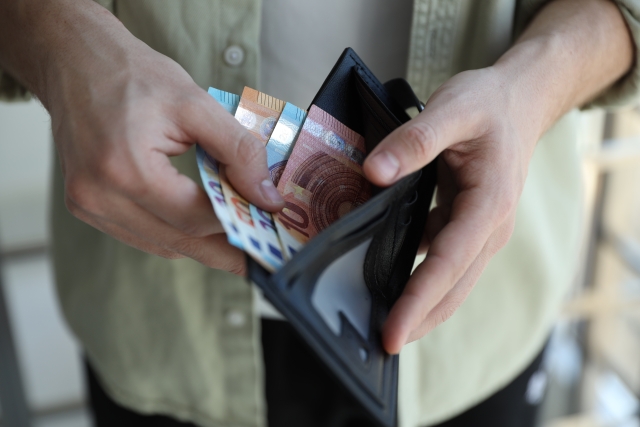
Thefinancial position of Greek householdsis improving, anddisposable income continues to rise. However,consumer spending is still being financed by drawing down savings and taking on new debt, suggesting that the cost-of-living crisis continues to weigh on household finances. According to the study“Income and Wealth: The Economic Position of Greek Households Compared with the Eurozone,”published inAlpha Bank’s August Economic Developments Bulletin, Greek households are experiencing a paradox:gains in one area of their finances are often offset by losses in another. Property and Investments Are Worth More—But Paychecks Still Fall ShortThe key lies in what makes up household wealth and income. While wages have increased, households that own assets—particularly real estate and financial investments—have benefited from rising asset values, whereas those relying solely on earned income have seen far fewer gains. The report highlights several key findings:Gross disposable household incomehas remained on an upward trajectory over the past two years and rose by3. 2% year-on-year in the first quarter of 2026, slightly outpacing average inflation of3%. According to Alpha Bank, this has helped households gradually recover part of the purchasing power lost during 2022–2023. Income growth has been driven mainly byemployment and economic activity. Wages increased by4. 3%, while self-employed income rose by6%during the first quarter of 2026. Income generated from investments and other assets also contributed, though to a lesser extent. Householdgross wealth exceeded €1 trillionat current prices in the fourth quarter of 2025, marking a19% cumulative increase—or €161 billion—during 2024–2025. The rise reflected growth in both financial assets and non-financial assets, with higher property prices playing a particularly significant role. Rising Wealth, Negative SavingsDespite these encouraging figures, the report emphasizes a more troubling reality:Household savings remained negative, at approximately-3% of gross disposable income. In other words,households are spending more than they earn. According to Alpha Bank, private consumption exceeded disposable income in nominal terms, meaning that part of consumer spending continues to be financed fromalternative sources. Those sources are primarily:Savings accumulated during the COVID-19 pandemic. Increased bank borrowing. Consumer Loans Becoming a Source of LiquidityThe report also points to a renewed increase inconsumer lending. The annual growth rate of consumer loans in Greece’s banking system reached6. 9% in June, indicating that consumption is once again being supported, at least in part, through borrowing. This finding puts the discussion about household “wealth” into perspective. While household balance sheets may appear stronger statistically,that does not necessarily mean the average family feels financially secureor has escaped the burden of high living costs. Many households own little more than their monthly income and have no appreciating assets. Even homeowners and investors whose wealth has increased on paper cannot necessarily use those gains to pay monthly expenses unless they sell or monetize those assets. A more valuable house, for example, does not automatically pay for groceries, rent, utility bills, or loan repayments. Wealthy on Paper, Cash-Poor in PracticeThe report also discusses the so-called“wealth effect”—the tendency for people to spend more when the value of their assets rises because they feel financially more secure. However, the study cautions thathigher asset values are not the same as greater financial resilience. As property and investment prices rise:Those without assets find them increasingly unaffordable. Income from wages or business activity represents a shrinking share of overall wealth. Financial well-being becomes increasingly determined not byhow much people earn, but byhow much the assets they own are worth. In other words, wealth inflation can increase paper prosperity without improving day-to-day living standards. Investment-Grade Status Boosted Household WealthThe report concludes that a household’s financial position depends on both:Disposable income, which determines its ability to consume and save. Wealth, including both financial and non-financial assets. According to Alpha Bank,both measures have improved over the past two years. The increase in household wealth has been supported by:Strong tourism performance. Improved macroeconomic conditions. Greater fiscal credibility following Greece’s return toinvestment-gradecredit status. Rising prices on the Athens Stock Exchange. Greece Still Trails the Eurozone on IncomeDespite the improvements, Greece continues to lag behind most Eurozone countries indisposable income, even though its households compare more favorably in terms ofmedian net wealth, largely because of widespread property ownership. As a result, Greece presents a striking contrast:Household wealth continues to increase. Savings remain negative. Consumer borrowing is rising. Many households still feel financially strained despite stronger balance sheets. The report concludes that these findings should inspireneither complacency nor excessive pessimism. Greek households are in a stronger financial position than they were a few years ago, but the recovery remains fragile. Incomes are rising, assets are worth more, yet consumption continues to depend ondepleting savings and increasing debt. Ultimately, while both incomes and wealth have grown,the international cost-of-living pressures continue to prevent most households from feeling genuinely financially secure. Ask me anythingExplore related questionsIn the final stretch for the accreditation of joint master’s degrees: Aiming for their launch in the coming academic yearApril 10, 2026Schedule for Epitaph Procession today (10/4)April 10, 2026Perfect weather for Easter excursions, according to Tsatrafyllia’s forecastApril 10, 2026Easter in Greece: The customs that continue in Greek tradition – From Nafpaktos to CorfuApril 10, 2026