The economy slowed a bit -- but Americans continued to spend
The U. S. economy grew at an annual rate of 1. 5% in the spring, according to the Commerce Department. That's a modest slowdown from the previous quarter — but consumer spending picked up steam.
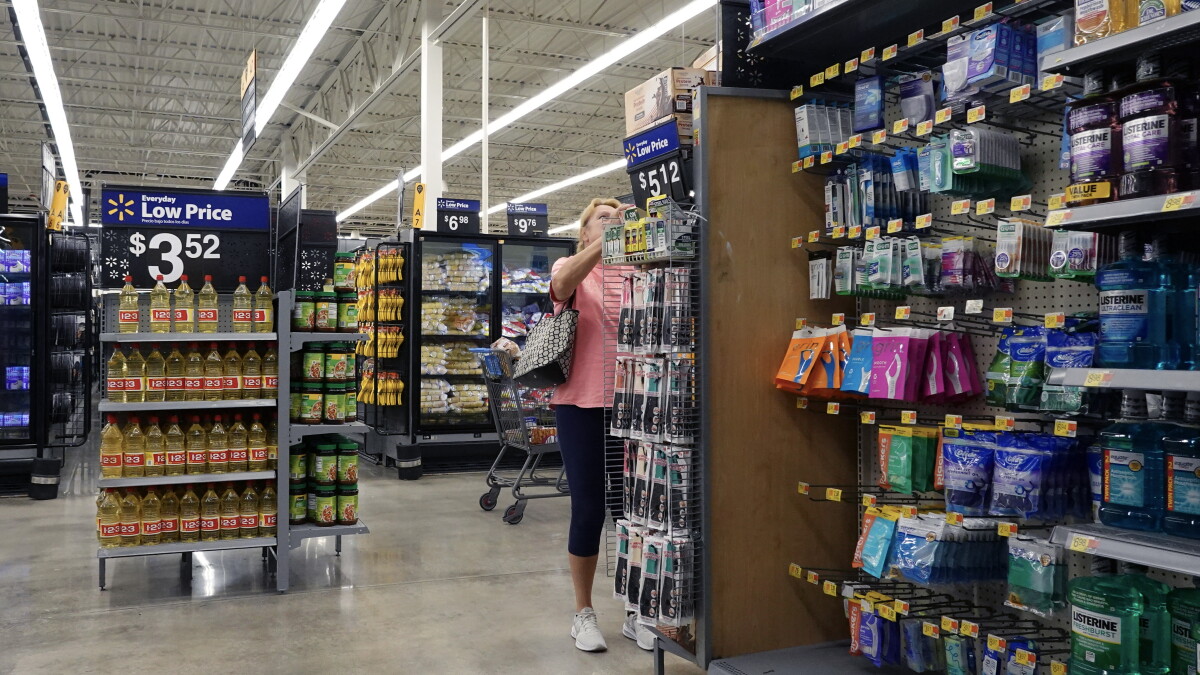
ByScott HorsleyPublished July 30, 2026 at 7:47 AM PDTJoe Raedle/Getty Images North AmericaConsumer spending continued to power the U. S. economy in April, May and June, as GDP expanded at an annual rate of 1. 5%. The U. S. economy grew more slowly this spring than it did earlier in the year, but consumers continue to spend freely. Gross domestic product — the broadest measure of economic activity — grew at an annual rate of 1. 5% in April, May and June, according toa reportThursday from the Commerce Department. That's a modest slowdown from the first three months of the year when GDP grew at a 2. 1% pace. A decline in government spending and a jump in imports, which count against the domestic tally, account for much of the change. Consumer spending continues to power the economy, growing at a solid 2. 1% pace during the second quarter. It's not clear how long shoppers can keep that up, however, in the face of rising prices. Loading. . . A separate report from the Commerce Department showsprices in June were up 3. 7%from a year earlier. Inflation has been outpacing wage gains in recent months, forcing shoppers to dip into savings or borrow money to support their spending. The personal savings rate fell to 2. 7% in June — a three year low. The Commerce Department's inflation yardstick is closely watched by the Federal Reserve. Prices have been climbing faster than the central bank would like. But the Fedopted not to raise its benchmark interest rateon Wednesday. Trade swings weighed on GDP during the quarter. Exports rose during the quarter, but imports rose faster. "Trade has gone up and down and all around and clearly the tariffs are swinging things around," said Mark Zandi, chief economist at Moody's Analytics. "One quarter it might add to growth. The next quarter it might subtract from growth. Net over time, it's kind of sort of a wash. "Copyright 2026 NPRScott HorsleyScott Horsley is NPR's Chief Economics Correspondent. He reports on ups and downs in the national economy as well as fault lines between booming and busting communities.