Study finds tariffs historically harmed the U. S. economy, did not help its manufacturing sector - Liberty Unyielding
Manufacturers make their products out of raw materials and components, some of which are imported. So if America imposes tariffs on raw materials, that harms manufacturers, rather than helping them. Yet, the Trump administration keeps imposing tariffs on imported raw materials like steel and aluminum. That is harming America’s factories. In the past, tariffs harmed […]
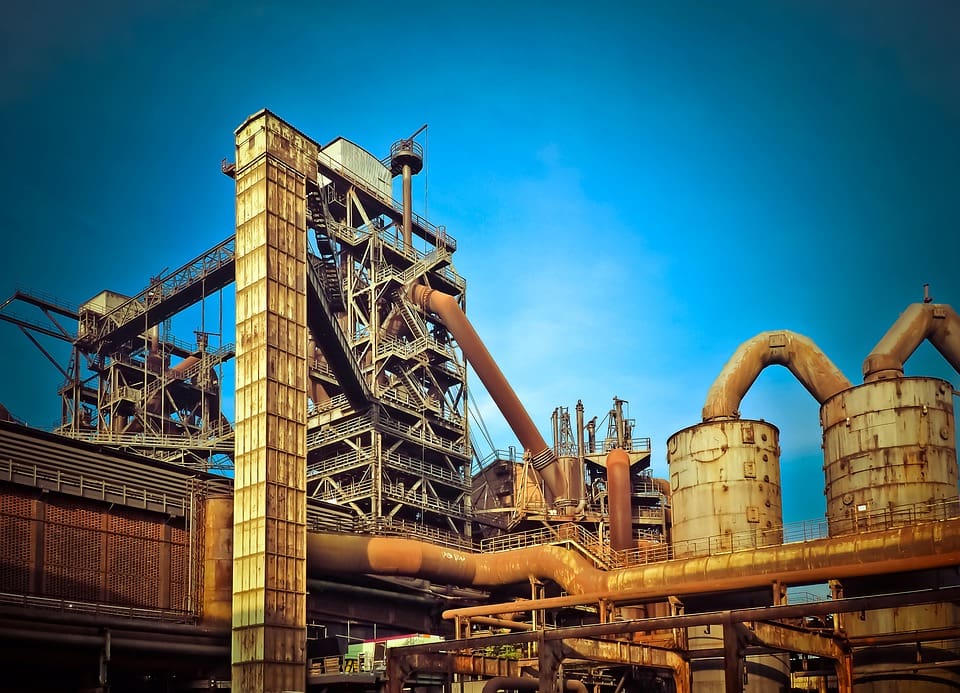
Manufacturers make their products out of raw materials and components, some of which are imported. So if America imposes tariffs on raw materials, that harms manufacturers, rather than helping them. Yet, the Trump administration keeps imposing tariffs on imported raw materials like steel and aluminum. That is harming America’s factories. In the past, tariffs harmed the U. S. economy, and did not help our overall manufacturing sector, even though those tariffs were imposed on foreign manufactured goods, not just imported raw materials. One goal of the tariffs was to help American manufacturing, but most of America’s manufacturing sector didn’t benefit from the tariffs, and some factories suffered because the cost of their raw materials increased due to the tariffs. As Harvard economics professor Jeffrey Mironexplains,Arecent studypoints out the dearth of historical research on the macroeconomic effects of tariffs, especially as a tool to analyze modern-day tariffs. The study “addressed this challenge by analyzing all major US tariff rate changes from 1840 to 2024. Drawing on historical research, congressional records, and statutes, we identified … 21 tariff rate changes, which we used to examine the macroeconomic effects of tariffs. ”These examples “reveal that increasing tariff rates contracted the US economy. … Tariff increases did not shield domestic industry despite their protective intent. Additionally, trade contracted markedly. ”To sum up, the “research indicates that tariff increases reduce domestic output and trade. While tariffs may protect some domestic industries, they ultimately reduce aggregate output, manufacturing activity, and the global competitiveness of US goods. ”Tariffs do raise some revenue to fund the government, but because tariffs shrink the size of the economy, they also result in less corporate income tax revenue, and less individual income tax revenue. That lost income tax revenue partially offsets the revenue directly raised by the tariffs. By reducing the value of the stock market, tariffs cut capitals gains tax revenue. So tariffs are not a great way of raising revenue to fund the government, especially if the tariff rate exceeds 10-15%, in which case, they cause substantial deadweight losses. As Investopedianotes, steel and aluminum tariffs have a history of wiping out more jobs than they save: The steel and aluminum tariffs Trump imposed back in 2018 shrank employment by 74,000 jobs,wiping out 75 times more jobs than they saved. Tariffs on steel wipe out more jobs than they save, because “steel is produced by a tiny sliver of the economy, but used as an input by a much broader swathe of manufacturers,”says Justin Wolfers, an economist at the University of Michigan. Last year, Bloomberg News reported on how tariffs are harming manufacturers in the news article “Trump’s Tariffs Aimed at Reviving Manufacturing Are Doing the Opposite. ”Recently, the Trump administration announced plans to impose an absurd set of tariffs on most imports to the U. S. These tariffs will be imposed on products from 60 countries amounting to 99% of America’s imports, under the theory that these countriesimported products made with “forced labor. ” The highest rate imposed (12. 5%) will be applied to countries such asNorway and Switzerland, even though those countries import fewer products made with forced labor than the U. S. does, andeven though Norway“actuallypioneered lawsto prevent forced labor in global supply chains. ” As Cato Institute economist Scott Lincicomenotes, “There’s likewise no explanation for the blanket tariff rates assigned to targeted countries. Most egregiously, USTR gave the same 12. 5 percent tariff rate to Angola, Libya, Russia, Venezuela, and Kazakhstan—developing countries that rank low on the Walk Free forced labor index (and have other issues!)—as it did to developed, ‘good actor’ countries like Norway, Japan, Switzerland, and Australia. ”For your convenience, you may leave commments below using Disqus. If Disqus is not appearing for you, please disable AdBlock to leave a comment.