RBI Governor Cites Middle East War, Weak Monsoon As Major Risks To Economy
The RBI governor’s comments come at a time when erratic monsoon progress has delayed planting across major states for the Kharif season with total cropped area falling 16 per cent year-on-year.
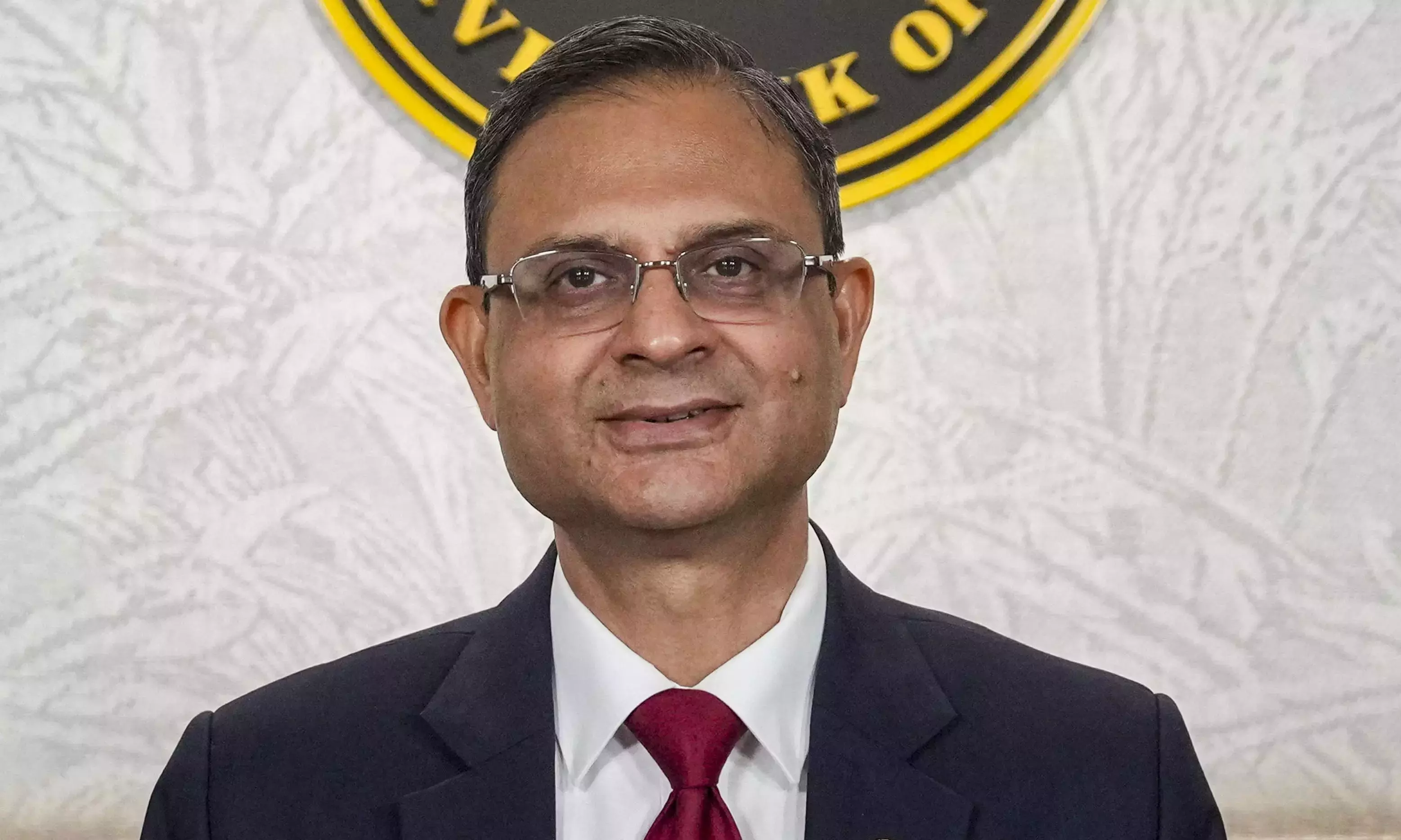
Mumbai:The Reserve Bank of India (RBI) governor Sanjay Malhotra on Friday highlighted the ongoing West Asia conflict and uncertainty over the monsoon as the key risks facing the Indian economy. He said that agriculture contributes about 17 per cent to the GDP and that "we have to be vigilant about that (monsoon). "The RBI governor’s comments come at a time when erratic monsoon progress has delayed planting across major states for the Kharif season with total cropped area falling 16 per cent year-on-year. As of July 10, 2026, farmers had covered 531. 25 lakh hectares, down sharply from 632. 69 lakh hectares during the corresponding period last year,a decline of 101. 44 lakh hectares. Around 58 per cent of the rural workforce depend on agriculture. Uneven monsoon and high temperatures could shoot up inflation and hit economic growth further. Malhotra said that the country’s fundamentals remain strong, with a decent pace of economic expansion despite geopolitical uncertainties. Even so, the challenges for the economy remain, and policymakers need to stay in a “wait and watch” mode, he added. On inflation, Malhotra said that the RBI will continue to prioritise inflation while supporting economic growth, and low and stable inflation provides the foundation for sustainable growth. Inflation control remained the RBI's primary objective under the flexible inflation-targeting framework, while growth was its secondary objective. "They are not in opposition. They support each other," he added. The RBI has raised its inflation forecast to 5. 1 per cent for FY27, higher from its earlier estimate of 4. 6 per cent. Digital Frauds: Malhotra said that the RBI will be introducing a limited liability framework for digital banking frauds from January 1, 2027 which will include provisions for compensation of up to ₹25,000 for victims of small-value digital frauds. On Banking sector: Malhotra expressed confidence in the health of India’s banking sector with the capital adequacy ratio at 17. 5 per cent, liquidity coverage ratio at around 120 per cent, providing banks with sufficient buffers to absorb potential shocks. On rupee depreciation: The governor said that the domestic currency performance against peers remains stable despite a stronger dollar and heightened global uncertainty. "After the war in West Asia, the dollar has become strong. The currencies of many countries have weakened. If we look at it from a global perspective, India's rupee situation can be considered normal," he said. Last year, the gross FDI was around $95 billion, which was a record, Malhotra said, adding that net foreign direct investment in the first two months of the current financial year was around $7 billion. "In the medium and long term, our balance of payments and our external sector will remain strong. There is no need to worry," he said.