Panama's Economy Grew 4% With 0. 1% Inflation in 2026 — Why Investors Are Paying Attention - Kahawatungu
Global markets are experiencing a mix of high interest rates and sticky inflation, but Panama is carving out a completely different narrative. Recent economic data reveals that Panama’s economy grew by an impressive 4% while maintaining a near-invisible inflation rate of just 0. 1%. Driven by a powerful combination of logistics, regional trade through the Panama Canal,
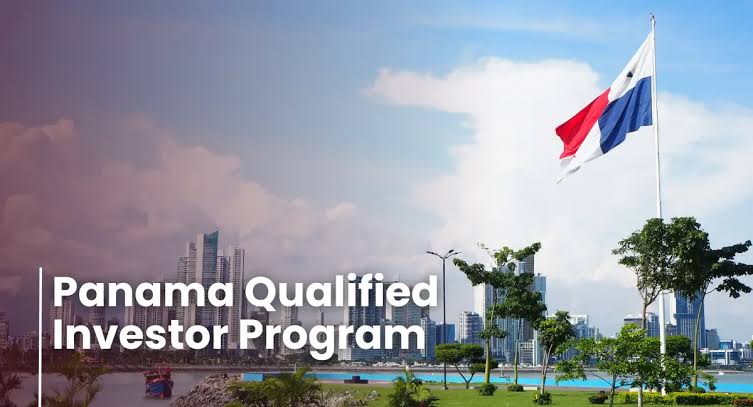
Global markets are experiencing a mix of high interest rates and sticky inflation, but Panama is carving out a completely different narrative. Recent economic data reveals that Panama’s economy grew by an impressive 4% while maintaining a near-invisible inflation rate of just 0. 1%. Driven by a powerful combination of logistics, regional trade through the Panama Canal, and booming tourism, the nation has outpaced the Latin American regional growth average of 2. 3% to 2. 6%. For international wealth managers and corporate entities, this unique combination of high expansion and price stability signals a rare macroeconomic sweet spot. Table of ContentsA Macroeconomic Sweet Spot in Latin AmericaWhy the 0. 1% Inflation Rate Matters to Capital AllocatorsDiversified Investment ChannelsInstitutional Strength and Maritime StabilityConclusionA Macroeconomic Sweet Spot in Latin AmericaPanama’s dollarized economy provides a natural hedge against the currency volatility that frequently disrupts neighboring markets. The 4% GDP expansion is underpinned by major infrastructure commitments, including the ongoing construction of Metro Line 3 and the fourth bridge over the canal. Furthermore, thepanama qualified investor programhas become a vital mechanism for channeling foreign direct investment directly into the nation’s core sectors. By offering an accelerated path to permanent residency, this framework attracts global capital that directly fuels the real estate, banking, and securities markets, providing a reliable foundation for the country’s economic resilience. Economic IndicatorPanama (Recent Data)Regional AverageGDP Growth Rate~4. 0% to 4. 1%2. 3% – 2. 6%Inflation Rate0. 1% – 0. 2%Varies (Sticky/High)Primary Economic DriversLogistics, Canal, TourismCommodities, AgricultureWhy the 0. 1% Inflation Rate Matters to Capital AllocatorsIn a typical developing economy, a 4% growth burst is almost always accompanied by rising consumer prices. Panama’s flat inflation rate means that corporate operational costs remain predictable, andcapital investmentsdo not lose purchasing power over time. Because the country utilizes an “export-less” model heavily focused on international services and logistics rather than traditional goods manufacturing, it remains insulated from many local supply-chain shocks. The Territorial Advantage:Panama operates on a strict territorial tax regime. Residents and local corporations are taxed exclusively on income generated within the country’s borders, leaving foreign-sourced income entirely tax-exempt. Diversified Investment ChannelsForeign capital is flowing heavily into three primary local sectors, each supported by robust regulatory frameworks:Real Estate:High-end residential and commercial projects continue to see steady demand, boosted by incoming expatriates and international executives. Banking and Fixed Deposits:Conservative investors are utilizing Panama’s secure, highly regulated international banking hub to lock in stable returns. Listed Securities:The PanamaStock Exchangeprovides a transparent avenue for capital allocation through licensed local brokerages. Institutional Strength and Maritime StabilityBeyond the immediate numbers, Panama’s long-term economic stability is anchored by its world-class maritime infrastructure and robust legal protections. The Panama Canal remains a vital artery for global commerce, insulating the nation’s logistics sector from localized economic downturns. This constant influx of international transit trade creates a reliable foundation for government revenue and sustains a massive network of auxiliary maritime services, ranging from fueling stations to cross-isthmus rail transport. For international financial institutions, the country’s strictly regulated banking sector offers a high degree of security. Panama’s financial regulatory framework is built to align with global transparency standards, ensuring compliance while actively protecting private property rights. This institutional maturity gives foreign corporations the confidence to establish regional headquarters within the country, further diversifying the economic base beyond traditional real estate and trade. ConclusionPanama’s distinct financial landscape offers a rare combination of aggressive growth and minimal monetary risk. For high-net-worth individuals seeking long-term security, navigating thepanama investment residencylandscape provides not only immediate access to a thriving logistical hub but also a permanent foothold in one of the most stable economies in the Americas. As global macroeconomic pressures continue to test traditional markets, Panama’s 2026 performance makes a compelling case for immediate portfolio diversification.