KOL Kelly Lau’s photo row exposes Hong Kong’s edited-selfie economy
3rd July 2026 – (Hong Kong) On 1st July, Aaron Kwok’s family appearance at the races should have been a harmless society snapshot. A famous singer-actor, his wife Moka Fang, two daughters, a racehorse named. . .
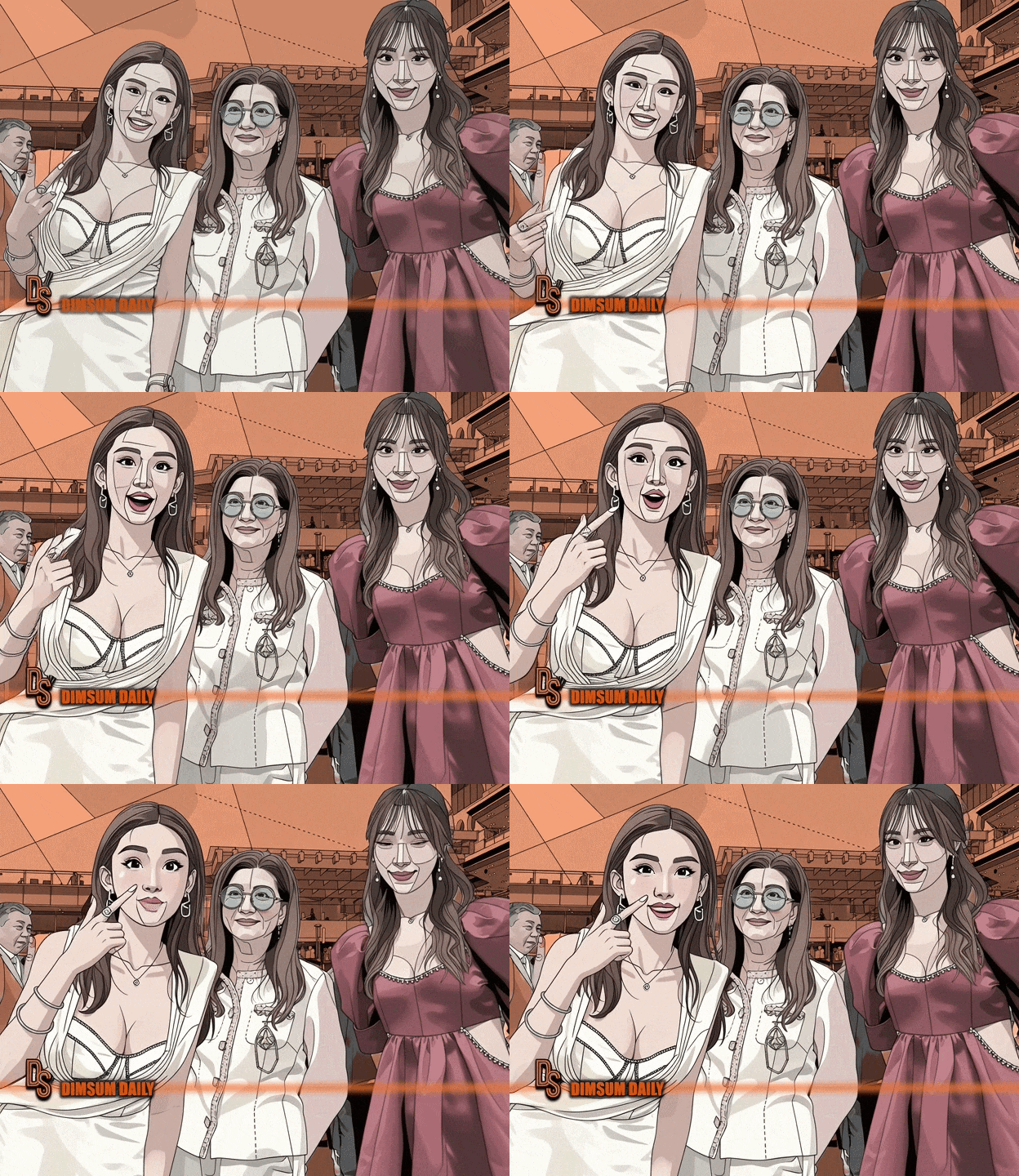
3rd July 2026 – (Hong Kong) On 1st July, Aaron Kwok’s family appearance at the races should have been a harmless society snapshot. A famous singer-actor, his wife Moka Fang, two daughters, a racehorse named Dancing Classics, and a public moment polished by celebrity warmth. Then KOL and local singerKelly Lauuploaded her photographs, and the story shifted from horse racing to face racing. Netizens noticed what the camera was not meant to confess. Lau appeared softened, brightened and smoothed, while Fang was left looking human. That, apparently, was the scandal. Not that a woman in public light had texture on her face. Not that ageing exists. Not that racecourse lighting is rarely kind. The scandal was the uneven distribution of fantasy. If everyone in the frame is going to be dragged through the same digital spa, at least be democratic about it. Lau was accused of editing herself while leaving Fang exposed to reality, which is now treated online like an ambush. Fang’s unfiltered appearance became the object of forensic commentary. Some said she looked older than her social media image suggests. She also looked pretty, composed and recognisably alive. That should not require a defence. Yet Fang herself is hardly outside the culture being mocked here. Like many public women, her own social media feed often belongs to the polished school of modern self-presentation. The face is smoother, the jaw tidier, the years less visible. The difference is not between a real woman and a fake woman. It is between competing edits. The same reflex surfaced in the case of Hong Kong adult-film actress Erena So, who, after police circulated an official arrest photograph following her 25th June detention on suspicion of promoting or facilitating online betting, publicly complained that the image was unflattering before uploading more attractive photos of herself from the same day. She has been released on bail pending further enquiries, so the legal matter remains unresolved, but the cultural signal was immediate. Even the arrest image, once the driest document of civic reality, is now expected to obey the etiquette of soft light and personal branding. The point is not whether So should want to look good. Most people do. The point is that our first quarrel with public record is increasingly not accuracy, context or due process, but whether the cheekbones were respected. The comedy of over-editing is that it rarely produces youth. Eyes acquire the wet shine of animated mascots. Cheeks glow with the emotional range of plastic fruit. The over-edited portrait is not a better version of a person. It is a committee meeting between insecurity, software and poor lighting. When a jawline is sharper than the railings behind it, the photograph has stopped being memory and become office work. Hong Kong is unusually fertile ground for this behaviour. It is dense, competitive and visually unforgiving. People live close together, compare quickly and perform constantly. In such a city, social media becomes a private dressing room with a public address system. The pressure is not simply to look good. It is to look like the version of oneself that can survive group chats, gossip pages and strangers with zoom functions. Beauty becomes less a trait than a defensive strategy. Hong Kong women were increasingly trapped in a cycle of edited selfies, validation and comparison. The Kelly Lau episode now reads like a case study with better lighting and worse judgment. The earlier concern was not moral panic over vanity. It was about identity. If a person repeatedly posts a face that does not exist, the real face begins to feel like a leaked document. Reality becomes the thing to be managed. Research from the Dove Self-Esteem Project found that 85 per cent of girls had used filters or apps to change their appearance in photos by age 13. It also found that many girls try to hide at least one body part before posting. This is not harmless play when the habit becomes the rule. A generation is learning to treat its own image as raw material that must be corrected before it is acceptable for public viewing. Celebrities and influencers do not create this pressure alone, but they do help decorate the cage. They sell the illusion, then complain when someone opens a window. The public, in turn, plays detective and executioner. It demands natural beauty, rewards artificial perfection, then mocks anyone caught between the two. Lau is being mocked because the editing was clumsy and allegedly selfish. Yet the crowd laughing at her often likes the same unreality when it is better executed. There is also a strange cruelty in the refusal to let women age in public. Men may be called distinguished. Women are told to hydrate, lift, slim, blur and deny. The result is a market where ageing gracefully sounds noble but ageing visibly is punished. Filters offer a cheap rebellion against time, but they are also a surrender to it. The face becomes a negotiation with fear. The older selfie does not say “I am young. ” It says “I am not ready to be seen. ”A sane digital etiquette would be simple. If a picture includes other people, do not make yourself the only beneficiary of the fantasy. If an image is heavily altered, stop pretending it is candid. If the face on Instagram cannot be recognised on Queen’s Road Central, call it an illustration rather than a photograph. We now live among faces that have been softened beyond recognition and bodies resized into ambition. If we bumped into many online personalities on the street, we might walk past them without realising it. The tragedy is not that people want to look better. The tragedy is that many no longer know when better became less real. Unedited picture of Kelly LauEdited picture of Kelly LauKelly Lau only edited herself and her friend on the right in this picture. Unedited picture of Moka FangEdited picture of Moka Fang (Source: Instagram)The same reflex surfaced in the case of Hong Kong adult-film actress Erena So, who, after police circulated an official arrest photograph following her 25th June detention on suspicion of promoting or facilitating online betting, publicly complained that the image was unflattering before uploading more attractive photos of herself from the same day. Heavily edited picture of Kelly Lau on her Instagram account. Source: Instagram/kellybaby603