HPCL and Tata Motors bet on circular economy as India tightens waste-oil rules
HPCL and Tata Motors are piloting a circular economy model for used automotive lubricants in India, creating a traceable system to collect, recycle and re-refine waste oil as EPR rules tighten and sustainability becomes a core business strategy.
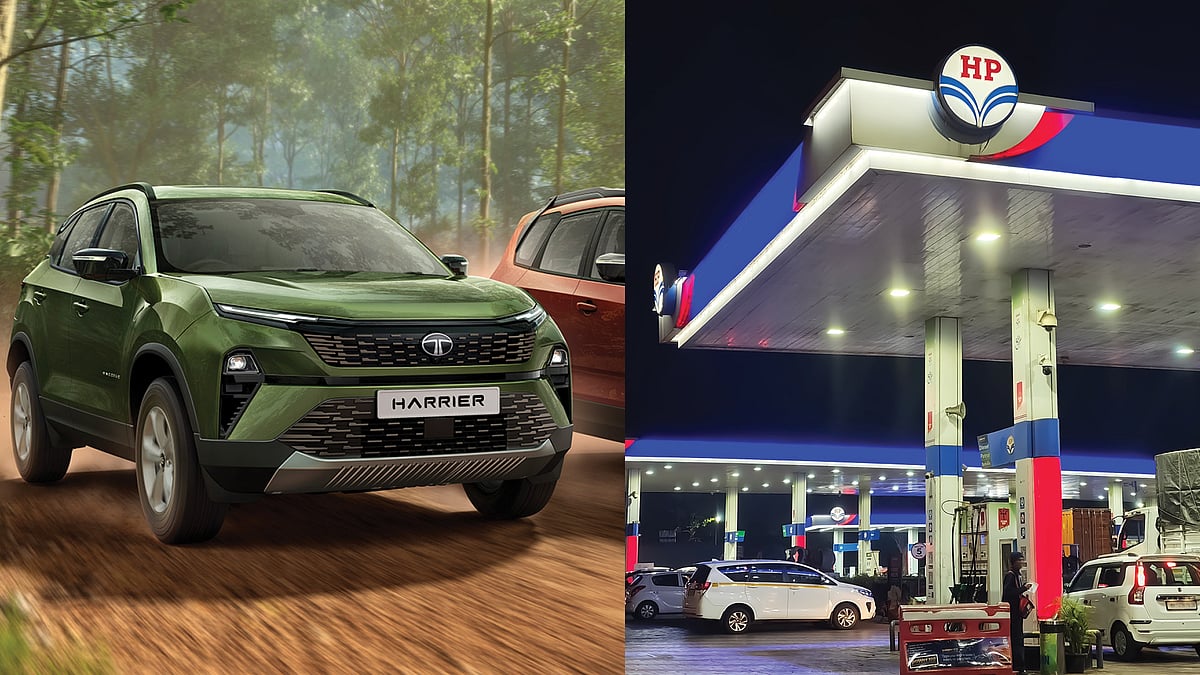
The two companies have jointly announced a partnership to develop a scalable collection and recycling model for used automotive lubricantsHindustan Petroleum Corporation Ltd (HPCL) and Tata Motors are testing whether India’s fragmented used-oil recycling market can be transformed into a formal circular economy opportunity. The two companies have jointly announced a partnership to develop a scalable collection and recycling model for used automotive lubricants, a waste stream that has long remained under-regulated despite rising vehicle volumes and tightening environmental norms. The pilot project, to be launched across select states, aims to create a traceable chain for collecting, transporting and recycling used lubricants into re-refined base oil that can be reused in finished products. The initiative comes as India expands its Extended Producer Responsibility (EPR) framework, pushing manufacturers and industrial companies to build accountable waste-management systems. For HPCL, the partnership marks a strategic push to strengthen its sustainability-linked business initiatives while leveraging its refining and lubricant infrastructure. The state-run oil marketing company reported gross sales of ₹4. 76 lakh crore in FY26 and posted a standalone profit after tax of ₹17,175 crore. During the year, HPCL processed a record 26. 04 million tonnes of crude oil and achieved sales volumes of 51. 45 million metric tonnes. “Achieving true circularity in used oil begins with reintegrating re-refined base oil into finished lubricants,” said C. Srinivas, Executive Director – Lubes at HPCL. He said the collaboration is intended to create a scalable model capable of lowering the carbon footprint associated with lubricant disposal and production. India’s informal recycling challengeUsed automotive lubricants are categorised as hazardous waste because of their potential impact on soil and groundwater when disposed of improperly. Industry executives say a large share of India’s used oil still flows through informal recycling channels, limiting traceability and environmental compliance. Recommended StoriesThe HPCL-Tata Motors partnership seeks to address that gap by combining HPCL’s collection and logistics capabilities with Tata Motors’ nationwide after-sales network, which includes more than 4,500 sales and service touchpoints. Tata Motors will facilitate organised collection through authorised workshops and service centres, while HPCL will manage aggregation and channelization to registered recyclers. “Addressing this challenge calls for credible partners, clear processes and the ability to operate at scale,” said Vikram Agrawal, Head – Parts and Services at Tata Motors. “We believe this pilot can help establish a robust foundation for wider industry adoption. ”Recycling moves from compliance to business strategyThe initiative also reflects a broader shift among industrial companies as sustainability transitions from a regulatory requirement to an operational strategy tied to efficiency, resource security and emissions reduction. HPCL already operates a lubricant base stock refinery in Mumbai with a production capacity of 428 thousand metric tonnes per annum, giving it an early foothold in India’s emerging re-refined lubricant market