How the Verification Economy Hurts Small Retailers
Consumers are increasingly taking a research-first approach to purchasing decisions. According toBazaarvoice’s 20th Shopper Experience Index, released on June 24, 2026,97% of shoppers consult multiple sources. . .
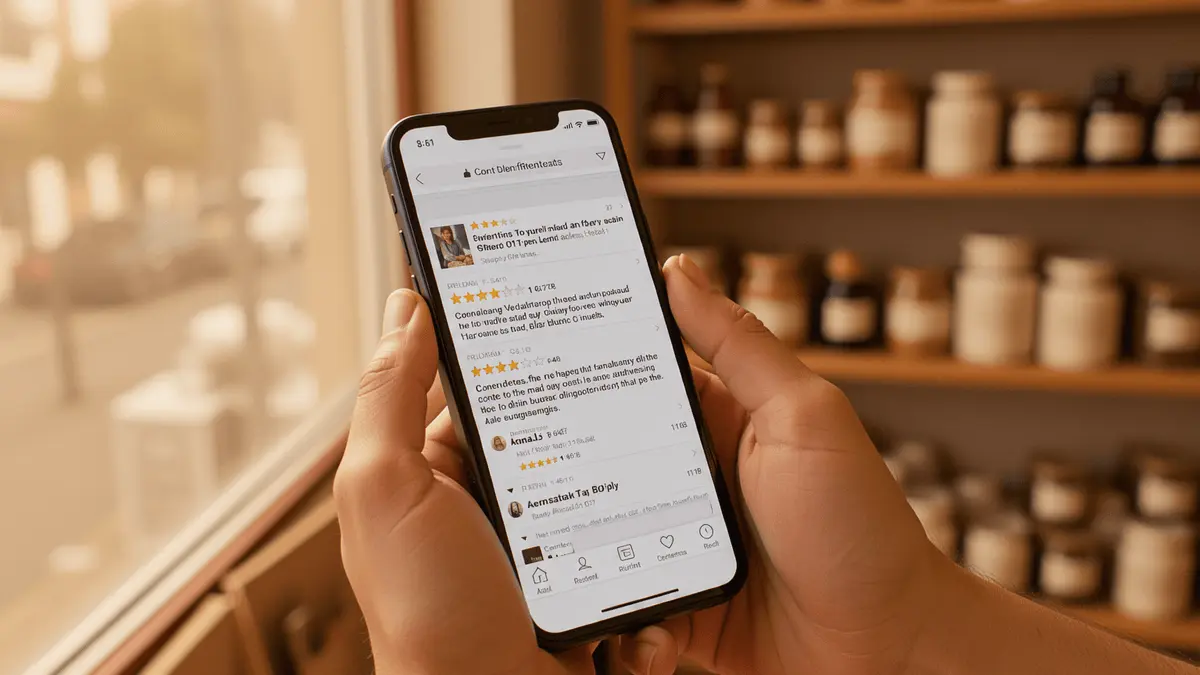
Consumers are increasingly taking a research-first approach to purchasing decisions. According toBazaarvoice’s 20th Shopper Experience Index, released on June 24, 2026,97% of shoppers consult multiple sources before making a purchase, while 60% say they need two or three sources before they feel confident enough to buy. The findings suggest that comparison shopping, review reading, and cross-checking product claims have become standard behavior rather than exceptions. Bazaarvoice, which sells ratings and reviews technology to brands and retailers, has a commercial interest in the trend it highlights. Even so, independent research points in the same direction. Recent surveys from Blis and direct-to-consumer retail studies show consumers are making fewer impulse purchases and spending more time evaluating products before committing. Inflation and Declining Trust Are Reshaping Purchase DecisionsThe shift appears to be driven by more than tighter household budgets. Rising costs have increased the perceived risk of making a poor purchase, while growing skepticism toward sponsored content, influencer marketing, and fake reviews has madeindependent verificationmore important than ever. Industry analysts say consumers are no longer asking only whether they want a product. They areincreasingly evaluating whether a product is trustworthy, whether it delivers value, and whether they are likely to regret the purchase. That extra layer of scrutiny naturally extends the buying process and increases the number of information sources shoppers consult. The trend mirrors broader concerns about online trust and product validation. Small Retailers Face New Challenges in a Review-Driven MarketplaceFor small and independent retailers, the trend creates a significant hurdle. Many consumers now expect to seeextensive reviews, third-party validation, transparent pricing, and authentic user-generated contentbefore making a purchase. Larger retailers typically have the scale and customer base needed to generate those signals more quickly. Research showing higher conversion rates for products with large review counts underscores the challenge. New products and smaller brands often need months or years to build comparable social proof, making it harder to compete even when product quality is similar. For smaller merchants, the challenge is becoming more pronounced as digital commerce platforms increasingly prioritize trust signals andAI-powered product discovery. Consumers Prefer AI That Assists Rather Than DecidesThe report also highlights a disconnect between retailer technology investments and consumer preferences. While many companies are investing heavily inautonomous AI systems capable of making purchasing decisions, shoppers appear far more comfortable with tools that help them research products. Text summaries, product comparison features, and Q&A chatbots received stronger support than fully autonomous purchasing tools. Experts interviewed in the report said consumers generally view AI as a research assistant rather than a replacement for human judgment, especially when purchases involve meaningful financial commitments. That finding stands in contrast to the direction many major retailers are taking. Amazon recentlyconsolidated its shopping AI effortsthroughAlexa for Shopping, an agent designed to handle product comparisons, purchase planning, and other buying-related tasks. For smaller businesses, the takeaway may be thatassistive AI offers a clearer return on investmentthan fully autonomous systems. Tools that simplify research, surface product information, or summarize customer feedback align more closely with how consumers currently want to shop. Key Indicators That Will Show Whether the Trend ContinuesSeveral data points will help determine whether deliberate shopping behavior becomes a permanent feature of the retail landscape. Future editions of the Shopper Experience Index, consumer confidence studies, transaction data, and review-conversion research will provide a clearer picture of whether shoppers maintain these habits as economic conditions change. The key question is whether today’s research-heavy purchasing behavior reflects a temporary response to inflation and economic uncertainty or a deeper shift in consumer expectations. If shoppers continue demanding multiple layers of validation even after economic pressures ease, retailers may need to permanently rethink how they build trust, generate reviews, and present product information online. For now, the evidence points to a marketplace whereverification, comparison, and trust-building matter more than speed or impulse. Whether that represents a lasting behavioral shift or a response to current economic conditions remains an open question.