How dwindling gig economy pay drives the trade for illegal vehicles
It’s a Wednesday, only 10. 30 in the morning, when we arrive at the City of London police station in Bishopsgate ready to shadow a team of officers cracking down on the often illegal vehicles that have become. . .
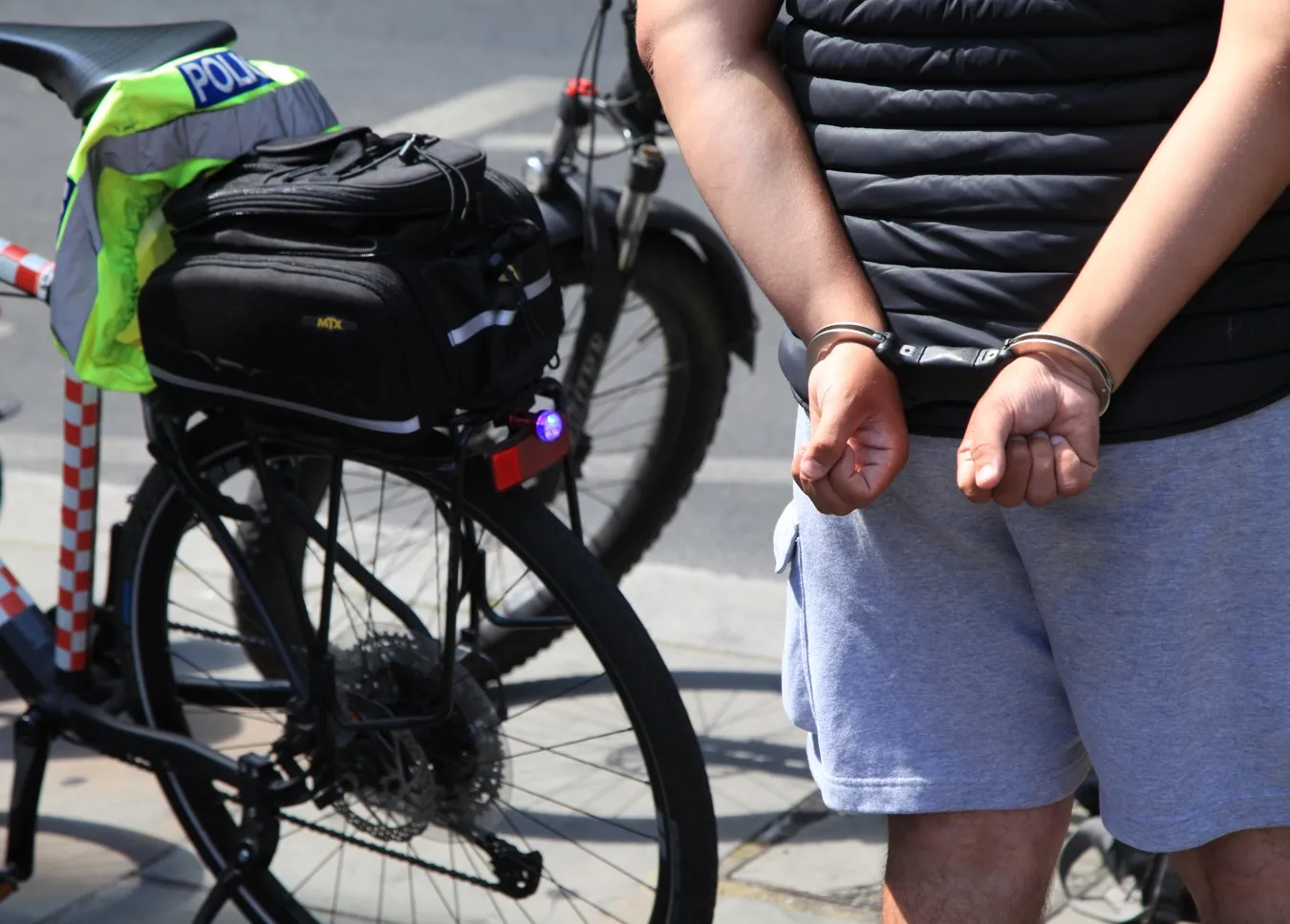
It’s a Wednesday, only 10. 30 in the morning, when we arrive at the City of London police station in Bishopsgate ready to shadow a team of officers cracking down on the often illegal vehicles that have become synonymous with the gig economy, and yet already the Cycle Cops have seized five bikes in the first morning shift. An outdoor cage, isolated from the main building out of precaution for the varied quality of e-vehicles seized, houses, at a count, 17 models of what are, legally speaking, unregistered electric motorbikes, though these vehicles are heavily conflated with legitimate, road-legal electric bikes. It’s little wonder, in many respects they look identical, which is an issue that is now economically straining the legitimate cycling industry as the public at large struggles to understand what is and isn’t an electric bike. A recent study found that84% of the publicwould struggle to separate a pedal-assist electric bike and an unregistered electric motorbike. For the police that we’re shadowing today, that’s their job. For the bike industry, it’s theexistential crisisthat has prompted the creation of the‘E-bike Positive’ trust mark. This voluntary, self-funded effort, it is hoped, can shield the bike retail sector from further damage, should the Government seek to address the damage that mass marketplace selling of overpowered kits is doing to the electric bike industry’s reputation. Bike retailers are one of the high street’s last independent retail sector standouts, but shop numbers are dwindling. Over 80% in one industry study badged themselves as ‘e-bike specialists’. But since the press started conflating e-bikes and other non-registered two-wheelers, insurance firms havebumped bike shop insurance premiumswithout meritand following suit,landlordsandbuildings managershave started to ban e-bikes at home and in the workplace. Famously, the vast majority of bike shops refuse service on the kind of vehicles that are causing the issues because of the liability they would take on by servicing a vehicle category that is not their own. In scanning the pack at the station, often seized under Section 165 of the Road Traffic Act, which relates to riding without insurance, the brand mix is varied, but in many ways punctuated by the brands most commonly seen aboard the rear section of recovery trucks any time an operation like this is carried out across the country. The worst offenders on this particular day are ENGWE and Fiido, two brands that sell both road-legal bikes and bikes that are badged up for use on private land, and thus can sit outside of EAPC regulations on a technicality. The models I’m looking at, so says the sergeant, have been unlocked via a code to go faster; a quirk of the trade that’s increasingly pushing covert solutions to generate more speed, all the while hiding the fact from police. The police are now keeping a log book of unlock codes to keep up with the brands circumventing rules. This is a large part of the reason I’m in London. Not so much to look explicitly at the vehicles, but to understand the mechanisms and incentives that gig economy workers use to go faster and the root causes for why illegal vehicles tend to make up around 50% of those that they pull aside. Of course, in many cases, illegal riders spot the Cycle Cops and make a U-turn, or, as we saw in action, push hidden buttons to revert the vehicle to a legal pedal-assist mode. Truthfully, many of the worst offenders get away, which is prompting the police themselves to explore how they pursue the types of motorcycles associated with phone thefts. In the press, these are often called ‘e-bikes’. They’re not; it would be extremely hard to pedal consistently, balance, lean out and steal a phone, then make off at a slowed speed with a standard pedal assist. This is where the use of a high-speed throttle is an advantage, taking vehicles into motorcycle territory, albeit unregistered. Modified vehicles: The incentive for speedOne example, seen above, was spotted by the trained eye of the Cycle Cops, was hidden from view underneath a pannier rack designed to host the insulated food box. No longer is it simply a case of handlebar controllers and cheat codes. Until now, the Cops have often been faced with mits covering controllers, flicking switches or buying time for code input to revert to a legal output. It’s a game of cat and mouse now with the modification workshops, admits Stu Ford, the team leader of this operation. Having pulled this rider and many others over, I wanted to understand first-hand from the gig economy worker the incentives for doing things this way. Understandably, some did not wish to speak, but a handful have now given their full accounts to Cycling Electric of the main drivers for using illegal vehicles. One of those is PJ (full name redacted), who began this line of work in Belfast in 2017, doing delivery work there for three years until 2019 when the terms became unfavourable. He says of his experience, “I think pay per drop was introduced in Belfast sometime in late 2017. Before then, it was a £6 per hour + £1 per drop, so four drops an hour got you £10 + tips, but if you were sitting doing nothing you still got something. Surges would sometimes put the drop rate up to £2. “Initially, pay per drop rates were quite good, like £4, so as long as you got two per hour you were probably doing at least as well as a pay per hour rider, and considerably better during a surge. Now, when you look at Deliveroo subreddits you’ll see constant complaints about how the rates have absolutely cratered, commonly that riders are being offered less than £3 for big distances and double orders. “Originally, the difference in drop rate based on distance wasn’t that significant but it seems to be greater now, and whatever algorithm they use to calculate the rates is sending some absolute stinkers to riders. Anecdotally, I have also heard that push bikes are deprioritised in the algorithm so (at least) an e-bike account is required to get consistent offers. I think trying to use a pushbike on an e-bike account would result in a lot of warnings, as the algorithm has certain expectations in terms of delivery times. ”Gig economy pay rates: Supply and demandIn trawling for information about drop fees, I frequently hear from riders who highlight being paid less per delivery than the guided £3 to £5 and indeed prominent YouTube delivery riders often post evidence of payment below, this one claiming a £2. 83 pay for an UberEats drop just before 6AM in zero-degree temperatures. This is followed by a double drop for just £4. 02, which is automatically accepted as one payment, rather than offering the ability to accept two jobs. “Total made £6. 85, which is absolutely shocking from Uber. Three deliveries and I’ve only made £6, that should be at least £9, but gig economy for you. Hopefully we get some sort of fee rise soon, in one hour that is not good” saysthe YouTuber. He’s right, the London Living Wage per hour is £14. 80, so he’s not made even 50% of that, even in the early-hour freezing conditions across three apps. Employment ratings pages likeIndeedback up the complaints in droves. This is only half of the problem for some riders, however. PJ points out that there is what he deems to be an exploitative ‘substitute’ system in place whereby legitimate account holders are known to rent the account out to other gig economy workers who perhaps do not have the right to work in the UK. “Here, the meagre fees offered are being garnished even further,” he says. This is evidenced by one traffic stop that I witnessed. Immigration offences, so says the Cycle Cops team, are part and parcel of the line of work. One arrest is made within the 90 minutes I’m on the street shadowing the team on these grounds. With no legal right to work in the UK, substitute gig economy work has become a sticky part of the trade and one that is very lightly regulated by the delivery firms, so we’re told. PJ tells me that during his time riding he got to know the network and came to appreciate that “in the case of people without the right to work, it (gig economy work) is often their only chance at a regular wage. ”I get chatting to another delivery rider on the street who has been pulled by the City Cycle cops who tells me that the £3 to £5 in peak times pay range per drop is sometimes realistic, but that the volume of riders now competing for orders is having a marked effect on those parameters. In supporting a family in London, he says that his target per shift is as many as 35 drops, which can take eight hours; and his e-bike, it turns out, is road-legal, and not reliant on a throttle, only his legs and the pedal assist. Again, not wishing to be named, this rider gives a candid account of the work, the pay and how diminishing returns incentivise his colleagues to go faster than he can to outcompete his physical work rate. “I believe that around 30 to 40% of the riders I work alongside use illegal throttle bikes to get ahead, which means that many, like me, consciously choose to go the legal route. My bike cost £800 and I could lose up to £100 a day without it and I cannot afford to lose my driving licence as maybe in future I’ll drive a taxi too, so for me it’s not worth the risk. I work another job five days a week too to support my family, but I need the extra income to live in London. ”Over time, the rate of return has diminished, says this rider. “They used to pay more. Nowadays, fees are getting lower because there are too many riders. Before there were more instances where we would be paid a bit extra; now that’s minimal,” he explains. I’m struck during this conversation by this rider’s knowledge of the law and indeed that of the gig economy vehicles pulled by the City Cycle Cops inside 90 minutes or so, it’s a 50-50 split of models that are illegal unregistered motorcycles (modified or manufactured) and models that turn out to be road legal. The result is, to my surprise, far better than expected with this demographic. There are far morePortrental bikes than I have ever seen, which is one business seeking to legitimise the sector with a (from) £24. 95 a week rental model. Is there a trend toward legal e-bike use?Another isZoomo. With this branding, or Port's, clearly visible on the downtube of the distinctive rental bikes, the City of London Cycle Cops could be forgiven for giving a free pass to these bikes. But then sails by something curious - a Zoomo build that seems to be cruising on throttle power alone. The vehicle is pulled and, upon closer inspection, a mess of wires that ordinarily should not be found externally on the frame indicates that even these well-meaning e-bikes are being modified and, according to the police, sometimes not being returned to the companies at the end of the rental agreements, opening up another line of investigation for a force that already has its resources tested. Curious about whether the incentives to ride fast are just too great on account of the need to make up pay, I ask PJ whether he believes that rider would pivot towards legitimate pedal-assist bikes if the delivery firms made available subsidies to help their fleets use safe and legal vehicles. He says, "I doubt it. Conversion kits are so cheap and the number of drops you need to do in an hour to keep afloat at the current rates (+ maybe whatever dodgy backhanders you are paying to the account owner) means that a pedal assist bike is unlikely to cut it. There is a very high degree of exploitation in play here by the providers. Personally, I’d be amazed if there was a single rider making the London Living Wage just from doing Deliveroo. "Deliveroo turnedprofitfor the first time in 2024, having experienced a fairly disastrousstock market listingin 2021. Cycling Electric reached out to multiple people inside the food delivery trade's largest companies. At the time of writing, nobody has replied.