Global Economy Briefing — June 23, 2026
Smaller US companies reached a historic milestone as the Russell 2000 closed above 3,000 for the first time, even as the technology giants that led this year's rally tumbled, with Alphabet down 5%.
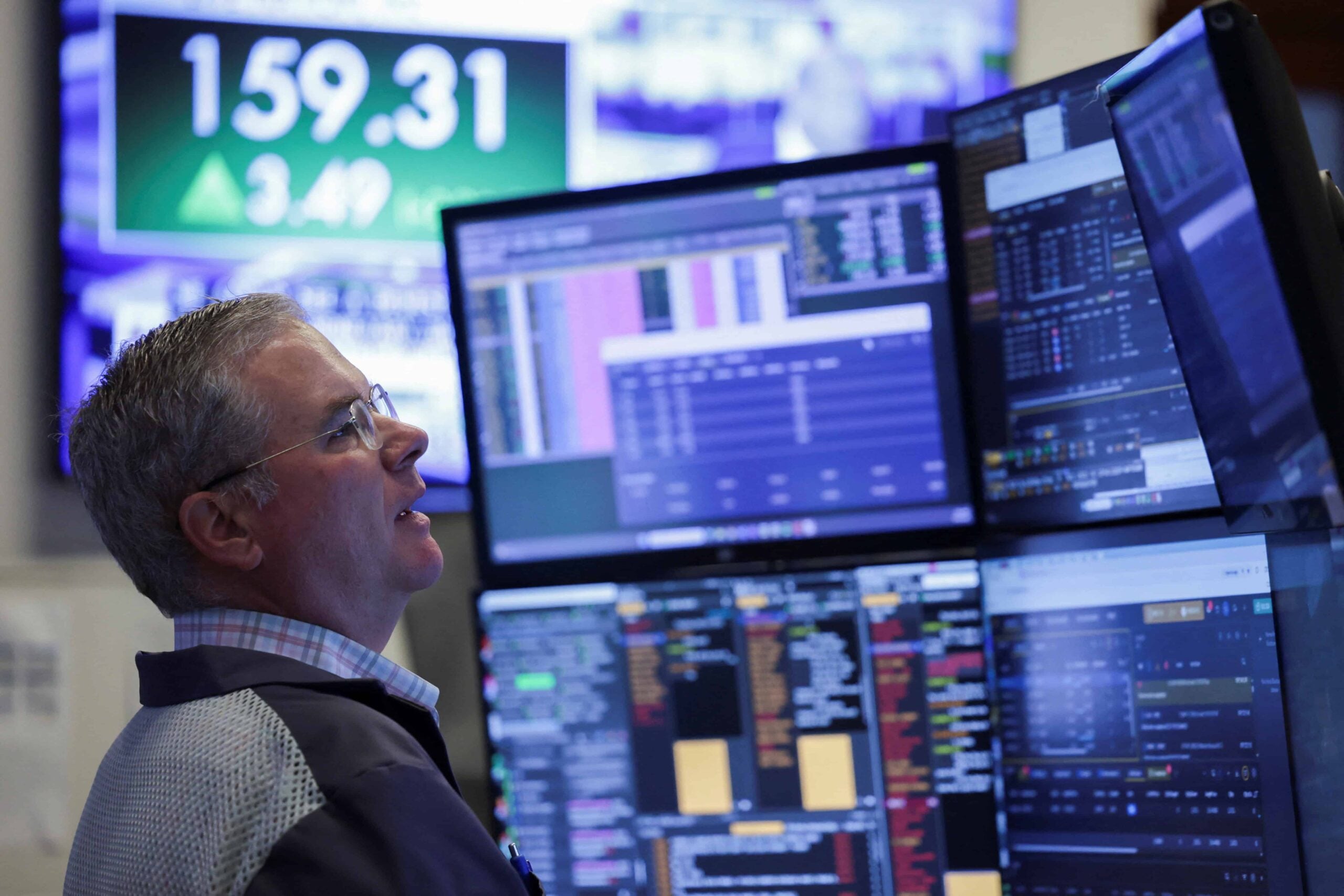
Rio Times Global Economy BriefingThe Big ThreeA historic milestone. The Russell 2000 index of smaller US companies closed above3,000for the first time ever, having climbed from a low near 2,088 over the past year. The giants stumbled. Big technology shares tumbled — Alphabet fell 5% and Amazon nearly 5% — dragging the Nasdaq down 1. 3% even as the broader market held up. Oil keeps sliding. Crude fell toward $75 as Middle East peace talks pointed to a final deal within 60 days, extending relief for energy importers like Brazil. Russell 20003,004. 40+0. 83%First close above 3,000S&P 5007,472. 79-0. 37%Weighed by big techNasdaq26,166. 60-1. 32%Tech giants sold offDow Jones51,712. 71+0. 29%Caterpillar led, up nearly 4%WTI Crude75. 10-0. 96%Slid on peace progressAlphabet—-5. 00%AI talent departures weighedSpaceX—-16. 0%Third straight daily fallCanada CPI (YoY)3. 2%+0. 40%Reaccelerated from 2. 8%United StatesReleaseActualConsensusVerdictRussell 2000 (close)3,004. 40—Record milestone6-Month Bill Auction3. 840%3. 680% prevHigher3-Month Bill Auction3. 695%3. 640% prevHigherFed’s WallerSpoke—Watched for toneEurope & United KingdomReleaseActualConsensusVerdictUK Prime MinisterResigned—Starmer steps downEurozone Consumer Confidence (Jun)-17. 7-18. 0ImprovedGerman PPI (YoY, May)2. 2%2. 5%CoolerFrench 12M BTF Auction2. 640%2. 602% prevHigherAsia-Pacific & Emerging MarketsReleaseActualConsensusVerdictJapan Manufacturing PMI (Jun)54. 954. 5StrongJapan Services PMI (Jun)51. 850. 0 prevImprovedArgentina Unemployment (Q1)7. 8%7. 5% prevRoseSouth Korea Consumer Confidence (Jun)106. 6106. 1 prevFirmAustralia Manufacturing PMI (Jun)51. 250. 7 prevExpanding01A milestone for the many, a stumble for the fewThe US market split sharply in two on Monday, and the contrast told the story of the moment. The Russell 2000, an index of 2,000 smaller American companies, closed above3,000for the first time in its history — a remarkable climb from a low near 2,088 just a year ago. Yet on the same day, the technology giants that have powered the market for years fell hard. Alphabet, Google’s parent, dropped 5% amid reports of departures from its artificial-intelligence teams; Amazon fell nearly 5% and Microsoft 3%, as investors fretted over the vast sums these companies are spending on AI. The newly listed SpaceX fell 16%, its third straight decline, though it remains well above its launch price. The technology-heavy Nasdaq lost 1. 3%. The Dow, by contrast, rose, lifted almost single-handedly by a near-4% jump in Caterpillar. The result was a market pulling in different directions: money flowing out of the expensive, crowded technology trade and into the smaller and more traditional companies that had been left behind. Oil, meanwhile, kept falling toward $75 as Middle East peace talks pointed to a final deal within two months. The Russell 2000 index of smaller US companies closed above 3,000 for the first time, even as big technology shares tumbled on concerns over AI spending. (Photo Internet reproduction)02The oil tailwind keeps blowing Brazil’s wayFor Brazil, the steady decline in oil remains the most important global development, and Monday extended it. With crude near $75 and peace talks advancing, the energy shock that drove inflation higher this spring continues to unwind — the very condition that allowed Brazil’s central bank to begin cutting interest rates this month. The broadening of the US market helps too. When investors move money out of a handful of giant technology names and into a wider range of assets, some of that search for value tends to reach emerging markets. Brazil, offering one of the highest returns in the world even after its recent rate cut to 14. 25%, stands to benefit from that shift in mood, which supports the real alongside the calmer oil price. The weekly survey of economists that guides expectations was due to refresh, and the direction of travel is clear: easing inflation, a cooling but resilient economy, and a reduced external threat. The principal risk remains the US Federal Reserve, whose hawkish turn keeps the dollar strong and competes for the same global capital. For now, though, the combination of falling oil and a market rotating toward overlooked assets leaves Brazil better placed than at any point this month. Live Market IntelligenceGlobal Markets — Live BoardInside: market breadth, the sector heatmap, currencies & rates, the Latin America scoreboard and the full instrument board. Rio Times · Live Market IntelligenceGlobal Markets — Live BoardWorldJun 23, 2026 · 03:10S&P 500 · benchmark——Market breadth · 7 names0%advancing0 ▲ advancing7 declining ▼Currencies, rates & key inputsGold4,139-1. 02%Brent crude76. 96-1. 21%Full instrument boardInstrumentLastChangeYoYPrev. HighLowVolumeGOLD4,139-1. 02%+22. 55%4,1824,2164,13227,729SILVER62. 65-4. 39%+73. 29%65. 5365. 3262. 4013,435BRENT76. 96-1. 21%+7. 67%77. 9078. 3476. 891,758WTI73. 07-2. 34%+6. 66%74. 8274. 4573. 0215,008COPPER6. 24-1. 87%+28. 79%6. 366. 366. 237,187IRON ORE161. 91—+70. 88%161. 91161. 911BTC63,108-1. 32%-40. 22%63,95264,16363,23524,515,121,152ETH1,704-1. 28%-29. 59%1,7271,7321,71011,817,246,720USD/BRL5. 14+0. 02%-6. 79%5. 145. 145. 14—Largest moves todaySILVER62. 65-4. 39%WTI73. 07-2. 34%COPPER6. 24-1. 87%BTC63,108-1. 32%ETH1,704-1. 28%BRENT76. 96-1. 21%GOLD4,139-1. 02%USD/BRL5. 14+0. 02%The session readThe S&P 500 was little changed on the session, with breadth negative —0 of 7names higher. IRON OREled, whileSILVERlagged. From The Rio TimesRelated coverage · 22 Jun 2026Nigeria’s Reserves Hit a 17-Year High of $51 BillionRead →03The paradox — the bull market’s leaders are now its laggardsSomething telling is happening beneath the surface. For two years, a small group of giant technology companies drove the market higher almost single-handedly. On Monday, those same companies fell sharply while the rest of the market celebrated a milestone. The leaders have become the laggards. This is, in most respects, a healthy development. A market that rises on the strength of thousands of companies rather than a handful is more durable and less vulnerable to a stumble in any single name. The concern is what is causing the technology wobble: investors are beginning to question whether the enormous sums being poured into artificial intelligence will earn their keep, and reports of talent leaving Alphabet’s AI teams added to the unease. The rotation into smaller companies is reassuring; the doubt creeping into the AI story, which underpinned the entire rally, is the development to watch. 04What to watch today and this weekTuesday:Surveys of business activity across the US, Europe and Asia, for a timely read on how the global economy is faring midway through the year. Wednesday:US new home sales, after last week’s sharp drop in housing construction. Thursday:The Federal Reserve’s preferred inflation gauge, the clearest test yet of whether cheaper oil is bringing price pressures down. This week:The political fallout in Britain after the prime minister’s resignation, and its effect on the pound and UK markets. This week:Whether the doubts around artificial-intelligence spending deepen, having now pulled the technology giants lower for several sessions. Frequently Asked QuestionsWhy is the Russell 2000 closing above 3,000 significant?The Russell 2000 tracks 2,000 smaller US companies, and its first-ever close above 3,000 marks a notable milestone — especially given it traded near 2,088 just a year ago. Because smaller companies are more tied to the domestic economy than the global technology giants, their strength suggests investors are confident in broader growth, not just in a few large firms. A market rising on many companies rather than a handful is generally considered healthier and more sustainable. Why did big technology stocks fall?Two worries combined. Investors are increasingly questioning whether the enormous amounts these companies are spending on artificial intelligence will generate sufficient returns, a concern often summarised as “AI capital expenditure. ” On top of that, reports emerged of staff leaving Alphabet’s AI teams, raising doubts about its competitive position. Alphabet fell 5%, with Amazon, Microsoft and Meta also lower. As these giants carry huge weight in the Nasdaq, their declines pulled the index down even as most of the market rose. How does this affect Brazil?Mostly positively. The continued fall in oil, now near $75 as Middle East peace advances, supports Brazil’s improving inflation and the central bank’s decision to begin cutting rates. The broadening of the US market away from a few technology names can also benefit emerging markets, as investors look more widely for value. Brazil’s high returns — even after its rate cut to 14. 25% — make it attractive in that environment. The main risk remains a hawkish US Federal Reserve drawing money toward the dollar. What happened in the United Kingdom?Prime Minister Keir Starmer announced his resignation, creating political uncertainty in Britain. The pound dipped slightly against the dollar, though government borrowing costs were broadly stable, suggesting markets had largely anticipated the move. Political transitions can unsettle markets until the direction of policy becomes clear. For now, the reaction has been relatively contained, but the coming days will reveal more about who succeeds him and what it means for economic policy. Why is Canada’s inflation rising again?Canadian inflation reaccelerated to 3. 2% in May from 2. 8%, with prices rising 1. 0% in the month alone — a hotter reading than expected. It is a reminder that bringing inflation down is rarely a smooth, one-way process, and it complicates matters for the Bank of Canada. Like several central banks, it must now weigh the risk that price pressures are proving more stubborn than hoped, which generally argues against cutting interest rates too quickly. Reported for The Rio Times — Global Economy Briefing. Filed June 23, 2026 — 08:00 BRT. Sources: CNBC, TheStreet, Trading Economics, Yahoo Finance, The Rio Times. Previously:June 20·June 19.