Global Economy Briefing — July 22, 2026
Rio Times Global Economy BriefingThe Big ThreeWall Street snaps losing streak on tech reboundThe S&P 500 closed up 0. 89% near 7,509, snapping a three-day slide as semiconductor stocks surged on stronger. . .
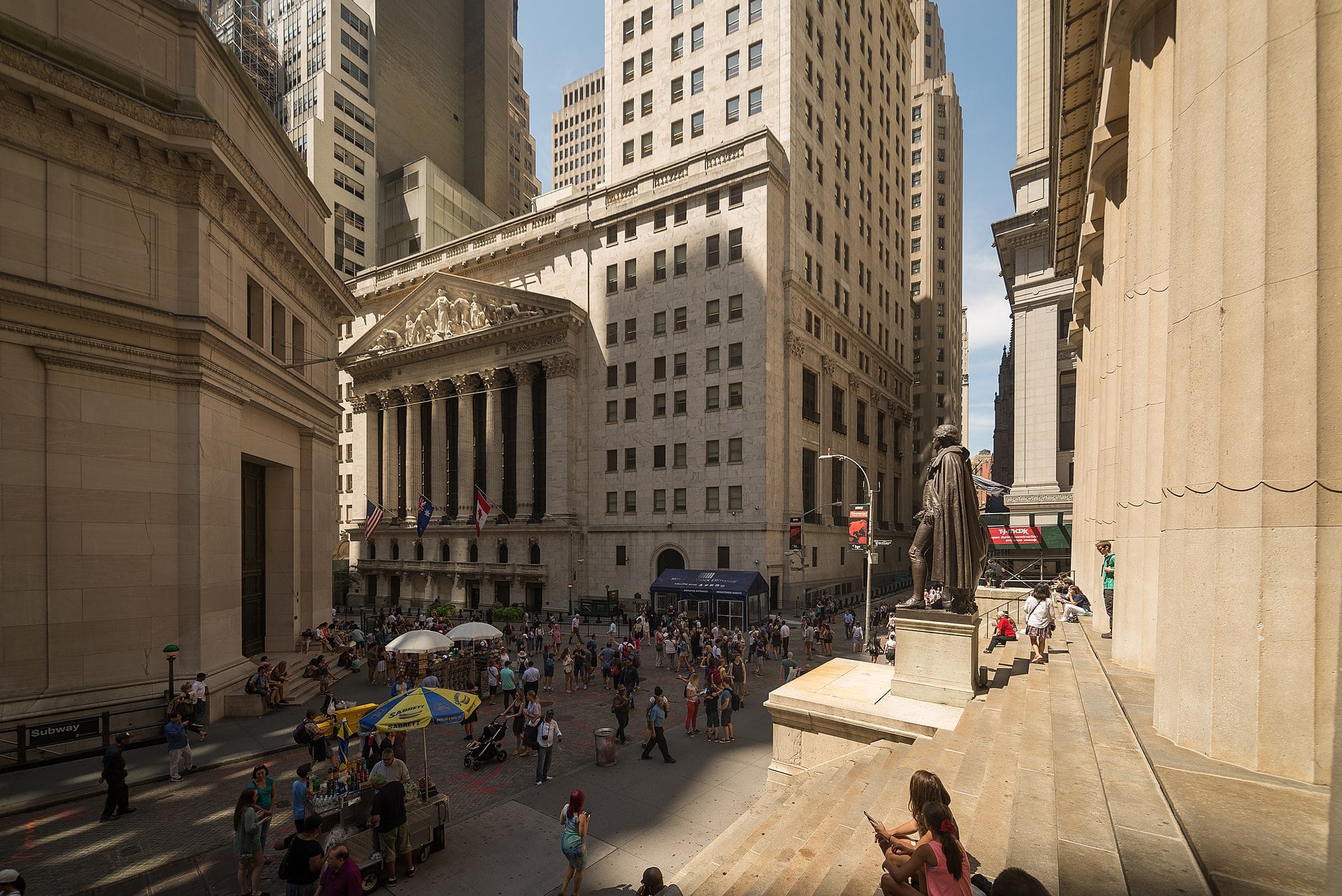
Rio Times Global Economy BriefingThe Big ThreeWall Street snaps losing streak on tech reboundThe S&P 500 closed up 0. 89% near 7,509, snapping a three-day slide as semiconductor stocks surged on stronger Korean and Taiwanese export data, stabilising global risk appetite after an AI-driven rout. Oil breaks above $90, stoking inflation fearsBrent crude hit $91. 24, up 2. 26%, driven by Middle East supply threats including Houthi rebel escalation, feeding into global inflation risks that complicate the Fed’s rate path and squeeze Latin American importers. Brazil’s Selic anchors real as carry trade thrivesWith the policy rate at 14. 25% after cautious cuts, Brazil offers one of the highest real yields in emerging markets, keeping the real near 5. 07–5. 09 per dollar and acting as a magnet for foreign fixed-income inflows. S&P 5007,509+0. 7–0. 9%Rebounds on chip strength, snapping a three-day losing streak. Brent Crude$91. 24+2. 26%Jumps on Middle East anxiety and Houthi supply threats. U. S. 10Y Treasury4. 628%+0. 2 bpsYield edges up, keeping real rates restrictive for EM. Dollar Index (DXY)101. 20Near 1-wk highFirm dollar tightens global financial conditions. USD/BRL5. 07–5. 09-0. 4 to -0. 6%Real firms on high carry and cooling inflation views. USD/JPY163. 06-0. 1%Slips from four-decade high, intervention watch alive. The overnight global tape and what it means for Latin America. (Photo internet reproduction)One-stop referenceCompany IntelligenceEvery listed company in Latin America — financials, ownership and structure for 1,450+ companies across 26 exchanges, in one place. Browse the directory →United StatesIndicatorActualPriorVerdictEIA Crude Oil Stocks ChangeActual pending (Est -1. 5M)-1. 693M prevDrawdown risk keeps supply tight, supporting $90+ Brent. 20-Year Bond AuctionYield pending (Prev 4. 927%)Prev high yieldDemand gauge for long-end UST as supply fears linger. S&P 500 Close~7,509Three-day losing streak priorRisk tone stabilising, easing EM funding pressure for now. Europe & United KingdomIndicatorActualPriorVerdictPan-European Futures+0. 3% (DAX +0. 5%)Weaker mid-weekFollows Wall Street higher but oil costs cap enthusiasm. Asia-Pacific & Emerging MarketsIndicatorActualPriorVerdictAsia Equities (Early)Broad gainsSharp chip-led sell-offRegion rebounds on strong Korean/Taiwanese export data. Brazil Selic Rate14. 25–14. 5%15% in early 2026High real yield anchors BRL, burdening domestic credit. Brazil 2026 Inflation View~4. 3–4. 6%Earlier higher projectionsDisinflation allows cautious Copom cuts, supporting local bonds. InstrumentLevelSessionS&P 500 (US)7,509+0. 89%Ibovespa (Brazil)173,326-0. 03%USD/BRL5. 0732-0. 33%Global economy — Source: EODHD close, 2026-07-21. Figures rendered directly from the feed. Today’s Economic Calendar — Wednesday, July 22, 2026TimeCountryEventConsensusPrior03:35JP40-Year JGB Auction—3. 8409:30DE15-Year Bund Auction—3. 311:00USMBA 30-Year Mortgage Rate—6. 6511:00USMBA Mortgage Applications—-2. 711:00USMBA Mortgage Market Index—259. 111:00USMBA Mortgage Refinance Index—821. 911:00USMBA Purchase Index—157. 214:30USCrude Oil Imports—-0. 39914:30USEIA Crude Oil Stocks Change-1. 5-1. 69314:30USEIA Cushing Crude Oil Stocks Change—0. 4314:30USEIA Weekly Refinery Utilization Rates WoW—0. 414:30USEIA Refinery Crude Runs Change—0. 09914:30USEIA Heating Oil Stocks Change—0. 0314:30USEIA Gasoline Production Change—-0. 09614:30USEIA Distillate Stocks Change—4. 55614:30USEIA Distillate Fuel Production Change—0. 07214:30USEIA Crude Oil Imports Change—-0. 39914:30USEIA Gasoline Stocks Change—-1. 533Live Market IntelligenceGlobal Markets — Live BoardInside: market breadth, the sector heatmap, currencies & rates, the Latin America scoreboard and the full instrument board. Rio Times · Live Market IntelligenceGlobal Markets — Live BoardWorldJul 22, 2026 · 04:02S&P 500 · benchmark——Market breadth · 7 names57%advancing4 ▲ advancing3 declining ▼Currencies, rates & key inputsGold4,122+1. 24%Brent crude93. 18+2. 38%Full instrument boardInstrumentLastChangeYoYPrev. HighLowVolumeGOLD4,122+1. 24%+19. 84%4,0714,1464,08134,641SILVER59. 62+1. 33%+51. 61%58. 8360. 3059. 038,086BRENT93. 18+2. 38%+35. 85%91. 0193. 2091. 323,696WTI86. 32+1. 66%+30. 37%84. 9186. 3684. 4432,833COPPER6. 50-0. 12%+14. 16%6. 516. 566. 496,998IRON ORE161. 91—+65. 03%161. 91161. 911BTC65,891-0. 92%-45. 09%66,50566,68565,81530,573,608,960ETH1,916-0. 63%-48. 87%1,9281,9411,91312,601,721,856USD/BRL5. 06-0. 27%-9. 10%5. 075. 075. 06—Largest moves todayBRENT93. 18+2. 38%WTI86. 32+1. 66%SILVER59. 62+1. 33%GOLD4,122+1. 24%BTC65,891-0. 92%ETH1,916-0. 63%USD/BRL5. 06-0. 27%COPPER6. 50-0. 12%The session readThe S&P 500 was little changed on the session, with breadth positive —4 of 7names higher. BRENTled, whileBTClagged. 01Risk rally on thin iceOvernight risk appetite improved markedly as U. S. equities shook off a three-day slide, with the S&P 500 climbing 0. 89% to the 7,509 region, but the recovery rests on fragile foundations with crude oil stubbornly above $90 and the dollar holding firm. The rebound was powered by semiconductor stocks, which surged after data showed Korean chip exports nearly tripling year-on-year in early July and a better-than-expected Taiwanese export orders print, easing immediate fears that the AI investment cycle was stalling. For Latin America and Brazil specifically, the bounce offers a temporary reprieve from a risk-off fortnight that had tightened funding conditions, but the constellation of elevated energy costs and U. S. real yields near 4. 6% keeps the region’s inflation and external financing channels exposed to fresh shocks. The turnaround in hardware-linked names is a crucial signal for global industrial supply chains, reinforcing that underlying tech-cycle demand remains robust even as investors aggressively challenge the stretched valuations of AI-centric equities. This dynamic is particularly constructive for Asia’s export engines and, by extension, for the commodity-exporting economies of Latin America, including Brazil and Chile, which benefit indirectly from buoyant global trade volumes. The respite in tech also helped U. S. Treasury yields stabilise, with the 10-year nudging up only marginally to 4. 628%, though that level still represents deeply restrictive real rates by historical standards. In currency markets, the U. S. dollar index hovered near a one-week high around 101. 20, while the yen remained under intense pressure near a four-decade low, highlighting how global liquidity is being rationed through foreign-exchange channels even as equity volatility cools. For Brazilian assets, the combination of exceptionally high local carry—with the Selic still in the mid-teens—and a generally firm dollar creates a selective, bifurcated flow picture, favouring fixed-income and quality equity exposures while keeping FX and duration hedges essential for managing the whipsaw risk in global rates. 02Oil, the Fed and Brazil’s high‑carry trapEnergy markets now sit at the very heart of the global macro cross‑currents, with Brent crude settling at $91. 24 after a sharp 2. 26% surge driven by escalating Middle East tensions and explicit threats from Houthi rebels to widen the conflict, while WTI traded around $84. 2. This persistent energy premium is feeding directly into headline inflation rates and, more dangerously, into inflation expectations, sharply complicating the Federal Reserve’s calculus on the timing and magnitude of any pivot away from restrictive monetary policy. For Brazil and its commodity-exporting neighbours, costlier energy acts as a double-edged sword, tightening real household incomes and blunting the domestic disinflation process even as it marginally supports fiscal and trade balances through higher oil-linked revenues. Recent softer U. S. inflation prints had briefly nudged markets toward pricing a more dovish Fed trajectory, helping the broader Bloomberg dollar gauge to ease 0. 2% at times and capping expectations of further tightening. Yet with benchmark 10-year yields still holding firmly above 4. 6% and oil grinding higher, policymakers across advanced economies are loath to declare victory over inflation, leaving global real rates elevated and acting as a persistent headwind for duration-sensitive assets. This environment matters significantly for Latin American central banks, where domestic disinflation is increasingly home-grown and credible, but where global rate settings continue to dictate the cost of rolling external debt and the ebb and flow of foreign portfolio capital. In Brazil, the Selic remains punishingly high at 14. 25% after theCopomrestarted its easing cycle with successive cautious 25-basis-point cuts in March and June, having earlier pushed rates to 15% to crush persistent above-target inflation. Price pressures have cooled sufficiently for economists to pencil in a glide path to around 12. 4–12. 5% by end‑2026, but the slow and deliberate pace underscores lingering anxiety over fiscal risks and geopolitical energy shocks. For foreign investors, this translates into one of the most compelling real-yield cushions in the major emerging-market universe, robustly supporting carry trades in local-currency bonds and the real, while simultaneously keeping domestic credit conditions painfully tight and making medium-term growth highly dependent on resilient external demand. 03Brazil’s real, regional read‑throughThe Brazilian real is trading with notable poise around 5. 07–5. 09 per U. S. dollar, modestly stronger than its year‑to‑date average near 5. 31 and buttressed by the magnetic pull of high carry and an improving inflation narrative. This currency stability gives foreign investors a manageable backdrop for allocating to BRL-denominated equities and local-currency debt, even as the global dollar remains firm against other major bloc currencies. Critically, it also grants the Copom greater policy latitude to focus squarely on the domestic activity pulse and the transmission of credit conditions, rather than being forced into reactive huddles to defend the currency against external tantrums. Brazil’s disinflation story is becoming progressively more credible, with 2026 inflation projections gravitating toward 4. 3–4. 6% against a 3% target and high-frequency headline data indicating that price pressures are easing after a tense start to the year. This delicate improvement permitted the central bank to gingerly restart the cutting cycle from the 15% peak, carving a path toward 14. 25–14. 5% while maintaining a resolutely cautious posture given the omnipresent geopolitical and fiscal tail risks. For regional peers, Brazil’s configuration—a mix of still-high-but-gradually-falling rates and a relatively well-behaved currency—serves as a powerful reference case, illustrating how much policy space can be clawed back when inflation expectations are successfully re-anchored, but also exposing just how grindingly slow that rehabilitation process remains once central-bank credibility has been stretched. Globally, investors are still in the thick of calibrating three overlapping and deeply intertwined shocks: the ongoing AI-valuation reset in U. S. and Asian technology shares, the rising Middle East energy risk premium that threatens to keep oil above $90, and the growing probability of a slower-for-longer easing cycle from the Federal Reserve. For Latin American portfolios, this triad argues forcefully for a barbell approach—combining high-carry local-currency bonds and commodity-sensitive quality exporters with deliberately cautious exposure to global-growth and tech-valuation-sensitive names. As long as the Brazilian real stays relatively firm and the Selic continues to offer a substantial real-yield buffer, Brazil is likely to remain a core and sticky allocation in emerging-market portfolios, but the tempo is being set by swings in crude oil and U. S. real yields. What to watch today and this weekThursday:U. S. jobless claims and Chicago Fed National Activity Index; any deviation from consensus (212k initial claims) could shift Fed rate-cut bets and dollar trajectory, directly impacting EM FX including BRL. Friday:Japan inflation data (Tokyo CPI), a crucial input for yen dynamics and potential BOJ normalisation chatter, influencing broader risk appetite and Asian-LatAm carry trade correlations. Next week:Brazilian macro prints—including mid-month inflation and activity data—that may fine-tune Copom’s signalling on the pace of future Selic cuts and the real’s sustained carry appeal. Ongoing:Middle East geopolitical developments and Houthi threats as they relate to Brent’s ability to hold above $90, and global tech-sector price action as AI valuations continue to reset, driving risk appetite for higher-beta EM positions. Frequently Asked QuestionsWhy did Wall Street rally overnight?U. S. equities snapped a three-day losing streak, led by semiconductor stocks, after data showed Korean chip exports almost tripling in early July and Taiwanese export orders beating forecasts, reassuring investors that AI-driven tech demand remains solid despite recent valuation fears. How is oil affecting inflation and central bank policy?Brent crude climbing to $91. 24 on Middle East instability, including Houthi threats, is feeding into global headline inflation and making it harder for the Federal Reserve and other central banks to accelerate rate cuts, keeping global real rates elevated. Why is the U. S. dollar staying firm?The DXY near 101. 20 is supported by U. S. 10-year yields holding above 4. 6% and uncertainty over the Fed’s timetable, maintaining tight global financial conditions even when equity markets stage temporary rebounds. Why is Brazil’s Selic rate still so high?After aggressive tightening to 15% in early 2026 to tame persistent inflation, the Copom has only cautiously restarted 25bp cuts, leaving the Selic at 14. 25–14. 5% to safeguard hard-won credibility against fiscal and geopolitical risks. How does this environment affect the Brazilian real?The combination of very high real yields from the Selic and cooling domestic inflation is supporting the BRL around 5. 07–5. 09 per dollar, making carry trades attractive and providing a buffer against firm-dollar headwinds, though expensive credit weighs on domestic growth. LatAm Markets: Live Signals →— real-time movers, turnover leaders and FX across Latin America.