China Economy Slows in July as Retail Sales and Output Miss Forecasts
China’s economy faltered at the start of the second half of 2026, asindustrial production, retail sales, and fixed-asset investment all missed forecasts in July. Extreme weather disruptions and sluggish. . .
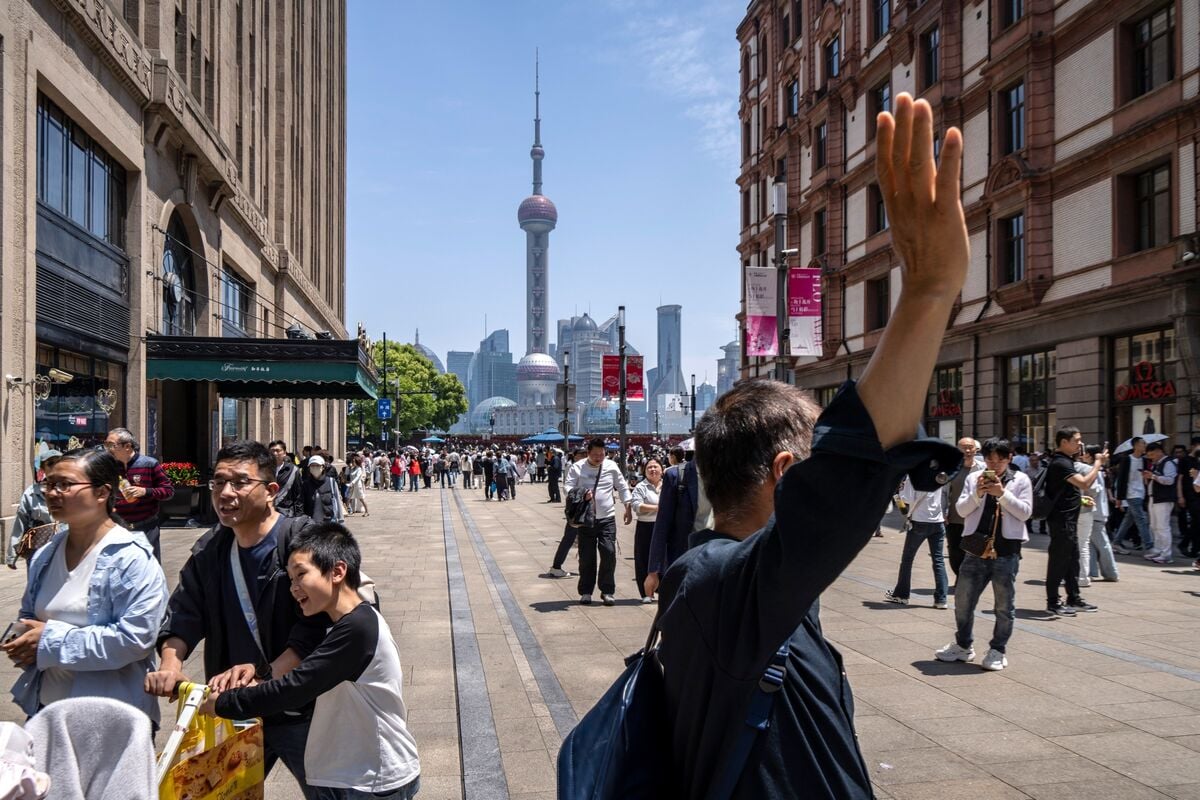
China’s economy faltered at the start of the second half of 2026, asindustrial production, retail sales, and fixed-asset investment all missed forecasts in July. Extreme weather disruptions and sluggish domestic consumption intensified pressure on Beijing policymakers to accelerate fiscal spending and introduce targeted stimulus measures. Industrial Output and Retail Growth Miss ForecastsChina’s economic momentum cooled noticeably entering the third quarter, with key indicators falling short of analyst expectations. Industrial production expanded 4. 5% in July compared to the same period a year earlier, slowing from a 5. 3% pace in June, according to data released by the National Bureau of Statistics (data from the National Bureau of Statistics). That figure missed the 4. 8% growth consensus in aReuters poll forecast. Retail sales presented an even starker slowdown, rising just 0. 6% in July and cooling from a 1% increase in June despite the summer holiday tourism season. Analysts surveyed prior to the release had anticipated 1. 5% growth. Economists pointed to multiple compounding factors behind the retail slump. Julian Evans-Pritchard, head of China economics at Capital Economics, noted that the soft reading was partly just payback for the consumer goods trade-in scheme, which boosted sales a year ago by bringing forward demand (Julian Evans-Pritchard, head of China economics at Capital Economics). Meanwhile, analysts at Citi observed that the pace of subsidy distributionhad weakened again in July, dragging daily average sales down to 6. 3 billion yuan ($934. 8 million) from 9 billion yuan in June. Property Slump and Weather Headwinds Compound PressuresUnderpinning the persistent weakness in consumer spending is an ongoing real estate downturn that continues to weigh heavily on household wealth. New home prices in July fell 3. 2% from a year earlier and dropped 0. 1% from June levels. Economists estimate that roughly 52% of household wealth remains tied up in real estate, a proportion that has declined as the protracted property crisis pushes cautious investors toward gold and alternative assets. Policymakers also faced severe disruptions beyond their direct control. Unusually active weather swept across China’s eastern and southern manufacturing hubs in July, marked by three typhoons making landfall and the emergency relocation of millions of residents. Auto sales tumbled for a 10th straight month, although the pace of decline eased. This domestic softness stood in stark contrast to robust external demand, as domestic automakers increasingly target overseas expansion to offset stagnant domestic consumption. Strong global demand—particularly fueled by the worldwide artificial intelligence infrastructure buildout—helped factories maintain momentum, allowing China to loganother month of more than $100 billionin trade surplus. China” Economy Grows 4. 3% in Q2 2026, Misses Target for First Time Since 2022Economic Analysts Urge Bolder Fiscal SpendingFixed-asset investment contracted 6. 7% over the first seven months of the year, worsening from the 5. 7% decline recorded in the January-June period and missing the 6% drop anticipated by markets. Photo: Reuters“The poor performance is due in part to ineffective use of the policy measures in hand. Fiscal spending has lagged behind, for example,” said Xu Tianchen, senior economist at the Economist Intelligence Unit. “It’s a call for officials to be bolder about spending what they have. ”Xu Tianchen, senior economist at the Economist Intelligence UnitXu added thatattention should be paid to investment, whose sharp decline is by no means acceptable to Beijing. Economists warn that while exports remain resilient, vulnerabilities to external trade barriers and domestic weather shocks leave the broader economy exposed. Policy Response and the Outlook for GrowthIn response to the mounting slowdown, National Bureau of Statistics spokesperson Fu Linghui told a press conference that officials wouldstep up counter-cyclical policy adjustments to bolster domestic demand. Fu expressed confidence that recent weather disruptions would not derail Beijing’s official growth targets for the year, maintaining that the foundation of the $20 trillion economyremained solid to achieve between 4. 5% and 5% expansion. China's economy slows further in July as retail sales barely grow, investment slump steepensWhile Chinese leaders have pledged to accelerate fiscal spending and introduce fresh policiesin a timely manner, they have thus far stopped short of signaling major, broad-based stimulus packages. “The emerging pattern is one of selective strength amid broad softness,” said Yuhan Zhang, principal economist at The Conference Board’s China Center. “The question is, therefore, not simply whether China can sustain growth, but whether policy-supported pockets of activity can eventually generate a broader recovery in household spending and private investment. ”Yuhan Zhang, principal economist at The Conference Board’s China CenterChina Retail Sales Growth Slows as Stimulus Fades | Bloomberg: The China Show 12/16/2024Relatedmark. thompson business editorFinancial analyst-turned-journalist. Covers global markets, fintech, and policy. Known for plain-English explainers on complex economics.