CHARLEBOIS: Donald Trump’s new tariffs put Canada’s food economy on menu
Skip to ContentSubscribeFAQMy AccountNewsToronto & GTAOntarioCanadaWorldCrimeTrue CrimeWeirdMoneyTechnologyTech EssentialsGamingGadgetsWeatherPodcastsOpinionEditorialsColumnistsEditorial. . .
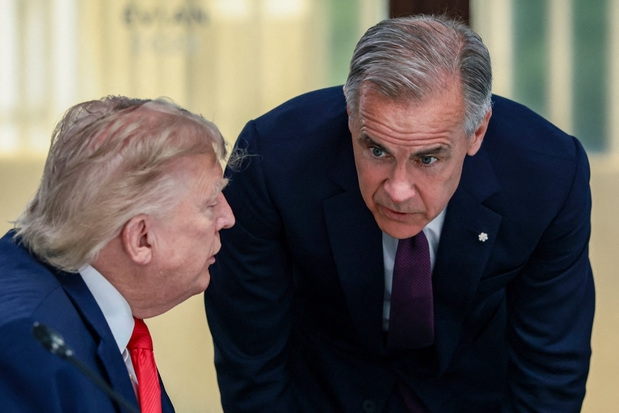
Skip to ContentSubscribeFAQMy AccountNewsToronto & GTAOntarioCanadaWorldCrimeTrue CrimeWeirdMoneyTechnologyTech EssentialsGamingGadgetsWeatherPodcastsOpinionEditorialsColumnistsEditorial CartoonsLettersSend Letter to the EditorSportsHockeyPWHLToronto Maple LeafsNHLSoccerToronto FCMLSBaseballToronto Blue JaysMLBBasketballToronto RaptorsNBAWNBAFootballToronto ArgonautsCFLNFLGolfOther SportsOlympicsCurlingTennisHorse RacingWrestlingFIFA World Cup 2026EntertainmentCelebrityMoviesMusicTelevisionTV ListingsLifeEatFashion & BeautyRelationshipsAdviceSex FilesHealthHealthingDiet & FitnessHomesTravelTravel InternationalTravel USATravel CanadaOntario TravelTravel EssentialsSavingsContestsLives ToldTails ToldShoppingToronto Sun StoreDrivingVehicle ResearchReviewsNewsGear GuideObituariesPlace an ObituaryPlace an In MemoriamAdvertisingAdvertising With UsAdvertising SolutionsPostmedia Ad ManagerSponsorship RequestsClassifiedsPlace an AdBusiness Card DirectoryCelebrationsWorkingBusiness AdsThis Week's FlyersePaperSUNShine GirlsBecome a Sunshine GirlPuzzmoDiversionsComicsPuzzlesHoroscopesNewslettersManage Print SubscriptionProfileSettingsMy SubscriptionsSaved ArticlesMy OffersNewslettersCustomer ServiceFAQNewsOpinionSportsFIFA World Cup 2026EntertainmentLifeShoppingDrivingObituariesClassifiedsePaperSUNShine GirlsPuzzmoNewslettersManage Print SubscriptionCanadaOpinionColumnistsCHARLEBOIS: Donald Trump’s new tariffs put Canada’s food economy on menuWashington’s new 50% tariff threat a predictable consequence of mistaking political theatre for trade strategyPublished Jul 21, 2026•Last updated 52 minutes ago•4 minute readYou can save this article by registering for freehere. Orsign-inif you have an account. U. S. President Donald Trump (left) and Prime Minister Mark Carney (attend a work lunch as part of the G7 summit, in Evian, France, June 16, 2026. Photo by Evelyn Hockstein/Getty ImagesSee more Toronto Sun on Google —save as a Preferred SourceSubscribe now to read the latest news in your city and across Canada. Unlimited online access to articles from across Canada with one account. Get exclusive access to the Toronto Sun ePaper, an electronic replica of the print edition that you can share, download and comment on. Enjoy insights and behind-the-scenes analysis from our award-winning journalists. Support local journalists and the next generation of journalists. Daily puzzles including the New York Times Crossword. Subscribe now to read the latest news in your city and across Canada. Unlimited online access to articles from across Canada with one account. Get exclusive access to the Toronto Sun ePaper, an electronic replica of the print edition that you can share, download and comment on. Enjoy insights and behind-the-scenes analysis from our award-winning journalists. Support local journalists and the next generation of journalists. Daily puzzles including the New York Times Crossword. Create an account or sign in to continue with your reading experience. Access articles from across Canada with one account. Share your thoughts and join the conversation in the comments. Enjoy additional articles per month. Get email updates from your favourite authors. Create an account or sign in to continue with your reading experience. Access articles from across Canada with one accountShare your thoughts and join the conversation in the commentsEnjoy additional articles per monthGet email updates from your favourite authorsThe United States has announced a sweeping50% tariff on Canadian goods, citing discriminatory treatment of American alcohol, automobiles and dairy products. The duties are expected to take effect Aug. 19 and, unusually, will reach some products that would ordinarily receive preferential treatment under the Canada-U. S. -Mexico Agreement. Energy, potash, fish and critical minerals are among the reported exemptions. For Canada’s food and beverage economy, the stakes are significant. Canada exports about $1. 4 billion in alcoholic beverages to the U. S. annually, representing roughly 90% of our alcohol exports. Spirits are particularly exposed. Canadian dairy exports to the U. S. , while much smaller, are worth about $360 million annually. But the immediate trade flows are only part of the story. The larger issue is how badly Canada has misread Washington — and how little influence Ottawa now appears to have over events. The tariffs rely on Section 338 of the U. S. Tariff Act of 1930, a rarely used presidential authority allowing Washington to retaliate when another country is deemed to discriminate against American commerce. It is an obscure and potentially contestable instrument, but the warning signs were visible. Canada’s removal of American alcohol from provincial shelves and its administration of dairy tariff-rate quotas have featured prominently among Washington’s complaints. Your noon-hour look at what's happening in Toronto and beyond. By signing up you consent to receive the above newsletter from Postmedia Network Inc. A welcome email is on its way. If you don't see it, please check your junk folder. The next issue of Your Midday Sun will soon be in your inbox. We encountered an issue signing you up. Please try againThis was only a matter of time. Last week, Prime Minister Mark Carney was asked about the future of CUSMA. His answer to Canadians was: “I’ll keep you posted. ”Well, consider us posted. Still a chance to save face?New tariffs are coming, negotiations appear stalled and Canadian exporters are again being asked to absorb the consequences. Canadians deserve more than cryptic reassurances and strategic ambiguity. They deserve to know who is negotiating, what Canada is prepared to concede and how Ottawa intends to protect market access without inflicting even more damage on Canadian businesses and consumers. President Donald Trump has given himself a 30-day off-ramp. The delay may be legally required, but it also creates negotiating space. It gives Canada an opportunity to offer a limited, face-saving concession before the tariffs take effect. That could involve restoring some access for American alcohol, addressing specific concerns surrounding dairy quotas or finding another politically manageable gesture. The objective would not be capitulation. It would be to remove the justification for a measure capable of causing far more economic damage than the concessions required to prevent it. Ottawa could, of course, escalate. Canada could impose export taxes or restrictions on energy, critical minerals or potash. These are among the few areas in which Canada possesses genuine leverage. But leverage is not the same as immunity. Damaging on many frontsRestricting strategic exports would disrupt American supply chains, but it would also damage Canadian producers, weaken investment and raise costs throughout our economy. Energy infrastructure cannot simply be redirected overnight. Potash customers are not infinitely interchangeable. Once buyers invest in alternative suppliers, some business may never return. Canada would pay a steep price for the satisfaction of appearing tough. This is why the “elbows up” approach was always more slogan than strategy. There is no trade war Canada can win by attempting to outmuscle a country representing roughly a quarter of the global economy. The U. S. is not simply another customer. It is the destination for about three-quarters of Canadian merchandise exports and an essential market for our farmers, processors and manufacturers. Diversifying trade is necessary, but it is a generational project — not an emergency response. A new trade mission to Asia or Europe cannot replace continental supply chains built over decades. Mexico understood this earlier. Its government chose sustained engagement with Washington, even when doing so was politically uncomfortable. Mexico has reportedly held detailed discussions with the U. S. and has more meetings planned. Canada, by contrast, has leaned heavily on public defiance while appearing increasingly absent from the negotiating table. Mexico chose engagement. Canada chose theatre — and now pain. Some in Ottawa continue to advocate for playing the “long game,” apparently assuming that conditions will improve after the U. S. midterm elections or once Trump leaves office. That is speculation, not strategy. Nothing guarantees that Congress will become more sympathetic to Canada after November. Nothing guarantees that the next administration will abandon protectionism after 2028. American trade policy has changed structurally. Economic nationalism now extends well beyond Trump. Waiting for the old relationship to return is not a plan. CHARLEBOIS: Permanent daylight time could change how we eatCHARLEBOIS: Food safety needs an AI upgradeCHARLEBOIS: The calorie economy is endingDirect engagement with White House a mustFor Carney, the time for distance, ambiguity and political posturing is over. Canada needs direct engagement with the White House, a clear list of negotiating priorities and a willingness to make targeted concessions where the economic cost of refusing is vastly greater than the cost of compromise. Working with the U. S. does not require admiring its president. It requires understanding power, geography and economic reality. Canada cannot choose its neighbour. But it can choose whether to manage that relationship intelligently. So far, we have not. – Charlebois is director of the Agri-Food Analytics Lab at Dalhousie University, co-host of The Food Professor Podcast. RECOMMENDED VIDEOJoin the ConversationOntarioUncategorizedSunshine GirlsSunshine GirlsColumnistsThis website uses cookies to personalize your content (including ads), and allows us to analyze our traffic. Read more aboutcookies here. By continuing to use our site, you agree to ourTerms of UseandPrivacy Policy.